-
Sumba Sherpa (Co-Founder & CEO)
+977-9849643731
Since 1998 15,000+ Happy Guests Sherpa Owned & Operated Company
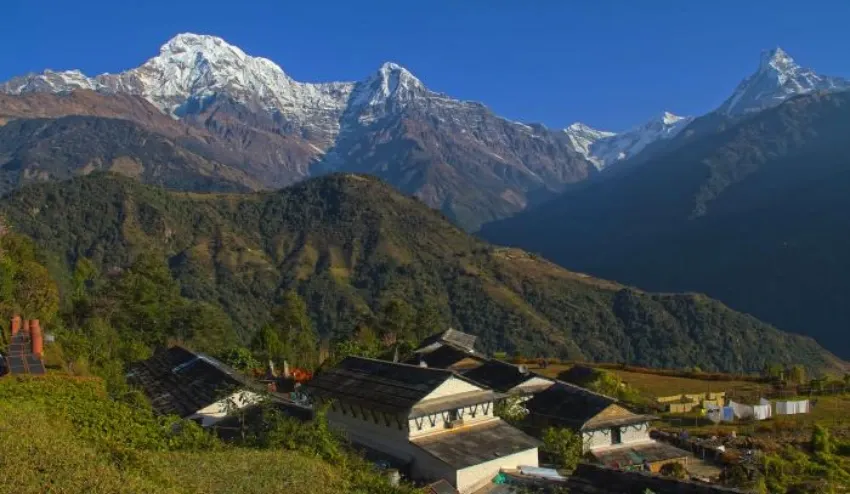
If you're deciding between the Everest Base Camp Trek and the Annapurna Base Camp Trek, the best choice depends on your fitness level, available time, budget, and the type of Himalayan experience you're looking for.
Everest Base Camp offers a more challenging adventure beneath the world's highest mountain, while Annapurna Base Camp provides diverse scenery and a slightly easier trekking experience. This guide compares both treks side by side to help you choose the one that's right for you.
EBC Trek is better for trekkers seeking a challenging high-altitude adventure beneath Mount Everest, while ABC Trek is ideal for travelers looking for a shorter, more accessible trek with diverse landscapes. The best choice depends on your fitness, budget, available time, and trekking goals.
| Feature | Everest Base Camp Trek | Annapurna Base Camp Trek |
| Trek Duration | 12–17 days | 7–12 days |
| Maximum Altitude | 5,364 m (17,598 ft) | 4,130 m (13,550 ft) |
| Difficulty | Moderate to Challenging | Moderate |
| Daily Walking | 5–8 hours | 5–7 hours |
| Best For | Adventure seekers and experienced trekkers | Beginners and moderate hikers |
| Highest Risk | Altitude sickness | Moderate altitude fatigue |
| Accommodation | Tea houses and mountain lodges | Tea houses and lodges |
| Transportation | Flight to Lukla | Drive to Pokhara and trailhead |
| Scenic Highlights | Everest, Lhotse, Nuptse, Ama Dablam, Khumbu Glacier | Annapurna I, Machhapuchhre, Hiunchuli, Annapurna South |
| Cultural Experience | Sherpa villages, monasteries, Buddhist heritage | Gurung and Magar villages, traditional mountain lifestyle |
| Best Seasons | Spring and Autumn | Spring and Autumn |
| Suitable for Beginners |
With proper preparation | Yes, more suitable |
If your dream is to visit the Everest region and push yourself at high altitude, go for Everest Base Camp. For a shorter, easier trek with just as stunning views of the Himalayas, Annapurna Base Camp is a great option.
Everest Base Camp and Annapurna Base Camp are the most popular trekking destinations in Nepal because they both combine incredible Himalayan views with the country’s excellent trekking infrastructure. Comfortable tea houses and knowledgeable local guides make both routes accessible to most trekkers, and both places let you immerse yourself in true mountain life without any mountaineering expertise.
Although both treks are rewarding, the overall experience differs significantly in terms of altitude, scenery, logistics, and difficulty.
Everest trek Journey into the heart of the Khumbu Valley, passing through the renowned Sherpa villages, crossing suspension bridges decorated with brightly colored prayer flags, and experiencing spectacular vistas of Mount Everest and other Himalayan giants. For many trekkers, making it to Everest Base Camp is a once-in-a-lifetime achievement and an unforgettable adventure.
On the other hand, the Annapurna Base Camp Trek takes you through lush subtropical forests and farmers' villages until you reach the snow-capped mountains of the Annapurna. The trek offers trekkers with diverse scenery, lower altitude, and better logistics the opportunity to enjoy a more relaxed first trip.
Don't think about which trek is "better"; the right question to ask is: Which trek best matches your experience
The Everest Base Camp Trek is one of the most popular trekking expeditions in the world. The trek takes you in the Khumbu region of Nepal following old trade routes through Sherpa villages up to the Everest Base Camp at 5,364 meters (17,598 feet).
While trekkers don't ascend Mount Everest, a trek to Base Camp offers an incredible chance to see the spectacular terrain where mountaineering expeditions are launched. On your trek, you will see high Himalayan mountains, ancient monasteries, glaciers and some of the world's best mountain scenery.
Unlike many other trekking routes at high altitude, this one is served by reasonably well-known tea houses along the way, so it can be undertaken by anyone who is well-prepared, fit enough and has had adequate time to acclimatise.
Most people would opt for Everest, rather than the other options, thanks to its worldwide renown, but the journey is much more than arriving at Base Camp.
A major attraction is the journey into the core of Sherpa land, villages along the way like Lukla, Namche Bazaar, Tengboche, Dingboche & Gorak Shep provide a special window into Himalayan life and culture, with old monasteries and prayer wheels, giant mani walls and the friendly hospitality of the Sherpa people.
The landscape varies from sub-tropical during the lower sections with fast-flowing rivers and pine forests to icy at the higher sections with glaciers, rocky terrain and breathtaking views of Everest, Lhotse, Nuptse, Ama Dablam, Pumori and numerous other Himalayan giants.
Several backpackers have mentioned that their sunrise experience at Kala Patthar is one of the most memorable experiences of their trip, as the first light of the rising sun bathes Everest and all the other peaks in a golden hue.
Everest Base Camp is an excellent choice if you:
Many first-time trekkers successfully complete the route each year, but preparation is important. Building up your endurance before your trip is a huge plus in helping make your trek a much more enjoyable one. That’s why following a structured fitness plan like the advice in How to Prepare for Everest Base Camp Trek can be helpful before you arrive in Nepal.
Many people say that Everest Base Camp (EBC) is harder than Annapurna Base Camp (ABC). This is not to do with the trails, but that EBC is at a higher altitude.
At altitudes over 3000 meters, it takes time for your body to get used to the thinner air. That's why it is essential that your tailor-made trip plan includes acclimatization days in such places as Namche Bazaar and Dingboche. Without a few days of rest, your chances of reaching Everest Base Camp comfortably diminish.
Weather can also shift rapidly in the Everest region. The mornings are usually clear, with clouds and snow settling in during the afternoon, affecting visibility in specific seasons. Flexibility is essential, as flights into and out of Lukla can sometimes be delayed because of mountain weather.
While some trekkers face the above issues, most who are adequately prepared should have a great trek. The reward of seeing great landscapes and the many friendly mountain people, as well as reaching the Everest Base Camp, makes it all the more special.
The Annapurna Base Camp (ABC) Trek is widely regarded as one of Nepal's best treks. Following the scenic Annapurna Sanctuary route, it takes you to the Annapurna Base Camp at an altitude of 4130m (13555 ft). While trekking in the Everest region is mainly about climbing up the world highest mountain, the Annapurna Base Camp Trek places you inside an amphitheater of some of the most stunning Himalayan mountains.
Along the way, you will make your way through delightful Gurung and Magar villages, along lush rhododendron woods, terraced fields, bamboo forests, past tumbling waterfalls, and through alpine landscapes until eventually, the trail delivers you into a spectacular mountain haven. The variety of landscape is why many trekkers feel Annapurna Base Camp is one of Nepal's most diverse trekking routes.
Logistically speaking, it's simpler than Everest Base Camp. Without mountain flights, it offers a more reliable itinerary than longer alternatives, thus attracting those who want travel arrangements unaffected by eventual weather delays.
The Annapurna Base Camp Trek isn't just about getting to your destination, it's about the different landscapes and cultures that you will experience.
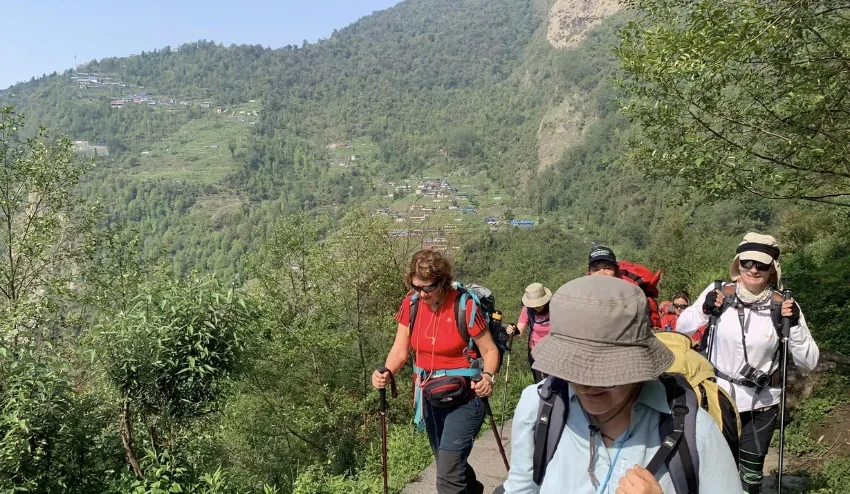
The Annapurna trail slowly changes from subtropical forests to high-altitude pasture land, unlike the rocky landscape of the Everest region. In spring, the rhododendron forests bring colour to the trail, and the traditional mountain villages are places to enjoy genuine mountain hospitality.
The highlight of the trek is reaching Annapurna Base Camp. It is situated in the center of the Annapurna Sanctuary with towering peaks all around, with a completely different atmosphere from EBC. Rather than being a single, imposing range in the distance, you will get to know all of these imposing peaks.
The sunrise here is particularly memorable as the first rays of sunlight are cast on the snow-clad mountains of Annapurna I, Machhapuchhre (Fishtail), Hiunchuli, Annapurna South and Gangapurna, turning the mountains gold and orange.
The Annapurna Base Camp Trek is an excellent choice if you:
The trek can be seen as being of moderate difficulty however, if you're physically fit, you should find it easier and more pleasant to do so. There are many tips on Training and Preparation for Annapurna Base Camp Trek that, if you practice before your trek, will stand you in good stead.
Although Annapurna Base Camp is considered easier than Everest Base Camp, it still requires good physical fitness and several consecutive days of uphill and downhill walking.
Today, trekkers continue their journey over several continuous days of walking over stone staircases, forest trails, suspension bridges and mountain paths, all of which rise and fall uphill and downhill. The average time spent walking each day is 5 to 7 hours depending on the day.
The altitude is lower than that of Everest, and for this reason, the chances of developing altitude sickness are less than that of Everest, however, some trekkers may experience mild symptoms as they approach Annapurna Base Camp. A gradual schedule, staying hydrated, and walking at a comfortable pace typically help your body adjust.
The weather is also unpredictable in the mountains. The mornings are typically clear for a great panoramic view, and afternoon clouds are a frequent occurrence, especially in the monsoon season. When packing suitable clothing for different temperatures, the trek will be safer and more comfortable.
Both the treks are an amazing way to experience the beauty of Nepal's Himalayas, but they are different in terms of the kind of travelers they cater to.
If you have always dreamed of reaching the foot of Mount Everest, enjoy testing yourself and have the time available for the necessary acclimatization, the Everest Base Camp Trek is an unforgettable adventure through the legendary Khumbu region.
So if you want spectacular mountain scenery, great local culture, diverse landscapes and a trekking experience that’s a little bit more accessible, then Annapurna Base Camp is often the better option – especially for first-time visitors to Nepal.
The good news is that neither trek is a letdown. Rather than trying to decide which trek is “better,” it’s more helpful to consider which trek fits your goals, fitness, time, and style of travel.
Everest Base Camp is more difficult than Annapurna Base Camp, due to its higher elevation, longer trek, and requirement for acclimatization. For most of the first timers with a fair degree of fitness, the Annapurna Base Camp is a better option.
Steep trails are not the only part of the problem, it's also how your body reacts to altitude, how many hours you are walking a day, and how well you recover over the night.
TheEverest Base Camp Trek is a 17-day trek at elevations above 5,000m, and even the most manageable of the uphills feel more challenging in this thinner air. Most hikes have acclimatization days in Namche Bazaar and Dingboche to minimize the chances of altitude sickness.
The Annapurna Base Camp Trek goes down to a lower height (4,130m), which isn't much of an ascent for many trekkers. You will find many stone stairways and moderate uphill climbs, but this is a more relaxed trek at a lower elevation.
| Factor | Everest Base Camp | Annapurna Base Camp |
| Overall Difficulty | Moderate to Challenging | Moderate |
| Highest Altitude | 5,364 m | 4,130 m |
| Daily Walking | 5–8 hours | 5–7 hours |
| Acclimatization Days | Essential | Usually not required but recommended |
| Best For | Experienced or well-prepared trekkers | Beginners and intermediate trekkers |
Annapurna Base Camp is a more suitable option if you want a less strenuous trip in the Himalayas. The Everest trek is for those who want the additional challenge of reaching the base of the world's highest mountain.
Everest Base Camp is far up high, and good acclimatization is necessary. Altitude sickness is less likely to occur at Annapurna Base Camp, but still a slow ascent and responsible trekking is required.
The main difference between these two treks is altitude.
The height of Everest Base Camp is 5364 m (17598 ft), and Kala Patthar (one of the highest points of the trek) is at 5545 m (18192 ft). At this altitude, the amount of oxygen is significantly less than at sea level, and acclimatization becomes an important consideration for every trip.
The peak of Annapurna Base Camp is 4130 m (13,550 ft). Some hikers may suffer from symptoms of altitude sickness, but it's not as common as in the Everest region.
Whether you select the first or second path, walking at a moderate pace, drinking plenty of water, and allowing your guide to be your voice of reason are the key to a safe and enjoyable experience.
Annapurna Base Camp is more advisable for those who are afraid of heights.
Annapurna Base Camp can be a great alternative if you do not have as much vacation time available, whereas if you can devote approximately two weeks to your trip, the Everest Base Camp trek is perfect.
Most Everest Base Camp Itineraries are 12 to 17 days long, inclusive of arrival, departure, and acclimatization days. It is best to leave yourself some time, in case of a delay caused by weather (like your flight to Lukla).
The trek itself can take anywhere from 7-12 days, depending on where you start from and the route you take. Since the trek starts with a drive (rather than a flight to start the trek), transportation is fairly regular.
If you're based in North America, Europe, Australia or another long-haul location and have limited annual leave, the shorter Annapurna Circuit might be more practical.
| Feature | Everest Base Camp | Annapurna Base Camp |
| Average Trek Duration | 12–17 Days | 7–12 Days |
| Transportation | Flight to Lukla | Drive from Pokhara |
| Acclimatization Days | 2 or more | Usually none |
| Ideal for Short Holidays | No | Yes |
Annapurna Base Camp is the more convenient option for travelers with limited time.
Each trek is equally stunning, though different. Everest Base Camp is simply stunning in its views of the world's highest mountains, while Annapurna Base Camp is an all-encompassing bowl of snow-capped mountains.
Everest region is world-renowned for famous peaks, Mount Everest, Lhotse, Nuptse, Ama Dablam, Pumori and Thamserku. Many trekkers think sunrise from Kala Pathar to be one of the best viewpoints in the Himalayas.
If the scenery here is not as awe-inspiring, it is still equally impressive, only differently. When entering the Annapurna Sanctuary, the mountains are all around, like a great natural stadium. The grand landscapes include Annapurna I, Machhapuchhre, Annapurna South, Hiunchuli, and Gangapurna.
Rather than choosing one as objectively better, it comes down to personal preference:
Annapurna Base Camp has a wider variety of scenery, but Everest Base Camp has the traditional high-altitude Himalayan trek feel.
(So it's the smallest difference) The other main thing that separated these treks was the change of scenery throughout each one.
In the Everest area, you'll see suspension bridges, glacial streams, alpine valleys, barren rocks and stunning mountain views. On the higher mountains, the scenery becomes rougher and more barren, with glaciers and moraine fields instead of forest.
If frequent changes of scenery and verdant mountain scenery are your thing, Annapurna Base Camp is the best choice. If you want to experience the raw nature of the Everest region, Everest Base Camp is what you need.
The two treks both have good quality tea house accommodation, although the Everest region is more established and has better facilities. Annapurna Base Camp, by comparison, is surprisingly cheap and the lodges are comfortable mountain retreats.
A further reason why both of these treks are so accessible to people from abroad is due to the numerous tea houses along the way. These family-run establishments offer a bed, hot food and a chance to mingle with other trekkers.
On the Everest Base Camp Trek, accommodation will be in simple tea-houses in villages along the trekking route, and in the more developed lodges at the more popular villages like Namche Bazaar.
Some lodges have private rooms, Wi-Fi (at a cost), charging facilities and hot showers, but generally facilities become more basic at higher altitudes. If you would like to see an in-depth description of the level of accommodation, see our guide to Lodge Accommodation on the Everest Trek in Nepal.
| Feature | Everest Base Camp | Annapurna Base Camp |
| Wi-Fi Availability | Available at most tea houses (usually paid) | Available at many tea houses (often paid) |
| Mobile Network Coverage | Good in larger villages, limited at higher elevations | Good in lower villages, weaker near Base Camp |
| Charging Facilities | Available in most lodges (extra fee at higher altitude) | Available in most lodges (may incur a small fee) |
| Internet Speed | Suitable for messaging; unreliable for large uploads | Suitable for messaging; speed varies by location |
| Feature | Everest Base Camp | Annapurna Base Camp |
| Tea House Availability | Excellent | Excellent |
| Private Rooms | Common | Common |
| Hot Showers | Available (extra cost at higher altitude) | Available in most villages |
| Charging & Wi-Fi | Available in many lodges | Available in many lodges |
| Comfort Level | Very Good | Good |
Both treks provide comfortable tea house accommodation, but Everest has slightly more developed facilities in major villages.
On both treks, the food is good. We have a combination of traditional Nepali dishes and international staples. There is less variety in the Everest region as you ascend.
Both routes also offer an opportunity to sample some healthy and filling meals catered for trekkers. The most popular being Dal Bhat, the classic Nepali fare of rice, vegetable and curry accompanied by a bowl of lentil soup. This is a very popular meal for multi-day hikes as it provides plenty of energy for the days ahead.
You'll also find options such as:
Food quality is excellent on both routes, while Annapurna generally offers better value for money.
The culture of Sherpa and Tibetan Buddhism can be experienced firsthand at Everest Base Camp, whereas the inhabitants of Annapurna Base Camp are mainly Garung and Magar. One of the main attractions of trekking in Nepal is the culture; every area has a different culture.
As you travel through the Everest region, you will be immersed in the culture of the Sherpa people, who are considered some of the best mountain climbers in the world and are directly connected to the mountains of the Himalayas.
There are many sacred monasteries, prayer wheels, mani walls, and bright prayer flags that you will see along your trek that date back hundreds of years of Buddhist culture.
Opt for Everest and experience Sherpa life and witness its famed Buddhist monasteries. Opt for Annapurna and discover the quaint villages of Gurungs and life in the Himalayan countryside.
Getting to Annapurna Base Camp is actually a little easier, as it is a drive to start your trek from Pokhara. Having said that, it's a flight to Everest Base Camp with Lukla, and that can be slow when the weather in the mountains isn't kind.
Reaching the trailhead can be a factor in planning your trek.
Most Everest Base Camp Treks will be preceded by a flight to Lukla. This is one of the world's most well-known mountain airports. On clear days, you'll see amazing views of the Himalayas, but the weather can often result in delays or delays and adjustments to the itinerary during the busy trekking seasons.
| Feature | Everest Base Camp | Annapurna Base Camp |
| Access | Flight to Lukla | Drive from Pokhara |
| Weather Delays | Possible | Rare |
| Logistics | More complex | Simpler |
| Convenience | Moderate | High |
Annapurna Base Camp is more layman-friendly for travel arrangements.
| Permit | EBC Trek | ABC Trek |
| National Park / Conservation Area Permit | Sagarmatha National Park Entry Permit | Annapurna Conservation Area Permit (ACAP) |
| Local Area Permit | Khumbu Pasang Lhamu Rural Municipality Permit | Not required for the standard ABC trek |
| TIMS Card | Not required for most organized treks under current regulations | Depends on the latest trekking regulations and itinerary |
| Permit Arrangement | Usually arranged by your trekking company | Usually arranged by your trekking company |
| Difficulty of Process | Easy with a registered trekking agency | Easy with a registered trekking agency |
| Best Option | Arrange permits before your trek through a licensed local operator | Arrange permits before your trek through a licensed local operator |
Annapurna Base Camp has less expensive option however, Everest Base Camp is more expensive for the flights in the country (Domestic flights), permits, and transportation.
The amount you plan to spend on your trek will be determined by the length of the trek, where you stay, whether you hire a guide or porter, and the time of year you're trekking.
This is because the cost of reaching the Base Camp of Everest is higher. They have to reach Lukla by flights, from there on, the logistics and the itinerary are at a higher altitude, so it costs you more.
Annapurna Base Camp is widely recognized as one of Nepal's finest inexpensive treks with some fantastic scenery and culture.
| Expense | Everest Base Camp | Annapurna Base Camp |
| Overall Budget | Higher | Lower |
| Transportation | Flight | Drive |
| Trek Duration | Longer | Shorter |
| Daily Expenses | Higher | Lower |
The best time to undertake either of these treks is during the spring (March to May) or the autumn (September to November) when the weather is relatively stable, the mountain views are clear, and trekking conditions are comfortable.
The spring season brings many colors to the Annapurna region with blooming rhododendron forests, pleasant daytime temperatures, and good visibility to Everest.
In Nepal, autumn is the time of the year when trekking is considered to be at its peak. It is one of the most sought-after seasons to visit both areas due to clear skies, crisp mountain views, and stable weather conditions. For anyone looking to go on an Everest trip during this season, our best time to visit Everest Base Camp will let you know when the perfect time to depart is.
Both of the trails are available for trekking in winter, although the weather can be colder and the clothing must be warmer. Rainfall does occur during monsoon trekking to Annapurna, but it's not as heavy as it is in other parts of the country, and the mountainous terrain can become slippery. In the Everest region, monsoon rains are less frequent because of the rain shadow caused by the Himalayan mountains.
Spring and autumn are the best seasons to go to Khumbu trek and Annapurna Base Camp.
There isn't a single "best" trek, only the trek that's best for you.
Choose Everest Base Camp if you:
Choose Annapurna Base Camp if you:
If your main aim is to trek one of the world's most popular routes, then the Everest Base Camp Trek is the one to go for. It takes longer to prepare, and you need more time and energy, but the anticipation of reaching the base of the world's highest mountain and the views that will surround you will be more than worth it.
Choose Everest trek if you:
The Annapurna Base Camp Trek offers a perfect introduction to the Himalaya for those who prefer not to venture into the higher altitudes. It provides dramatic mountain scenery, a variety of landscapes, and interesting local culture in a shorter trip.
Choose Annapurna Base Camp if you:
If trekking with an experienced guide and taking a carefully planned trip with a pace conducive to acclimatization, both treks are safe. The difference is that the Everest Base Camp trek presents a much greater risk of altitude-related illness.
The trails of both routes are well trafficked and in use by thousands of trekkers every year. That said, mountain weather can be unpredictable, and you should consider weather conditions, trail surface, and your own personal fitness levels before setting out.
To stay safe on either trek:
If you are heading to the Everest, our guide on How to Trek Everest Base Camp Safely? offers more tips to ensure the trip is safe and enjoyable.
Both the All and the Annapurna Base Camp treks can be considered safe if you plan and prepare well, but the Annapurna trek tends to be less affected by altitude than the All trek.
The contestants will not be able to pick a winner since both hiking trails are memorable in the Himalayas for different types of hikers.
For those who want to climb to the base of the world's highest mountain, go for the Everest region trek option. It is a blend of Sherpa culture and the famous scenery of the mountains, which makes it an adventure that is unmistakable.
If you are considering a shorter, more accessible trek with excellent scenery, variety of landscapes, and excellent value, then you should consider the Annapurna Base Camp Trek. A perfect beginning trek in Nepal and a great choice for a short-time visitor.
In the end, the ideal trek is the one that's a perfect fit for you, your trip objectives, your budget, and your time. No matter if you go up to Everest or Annapurna, you'll be exposed to stunning Himalayan scenery, warm mountain villages and lifetime memories.
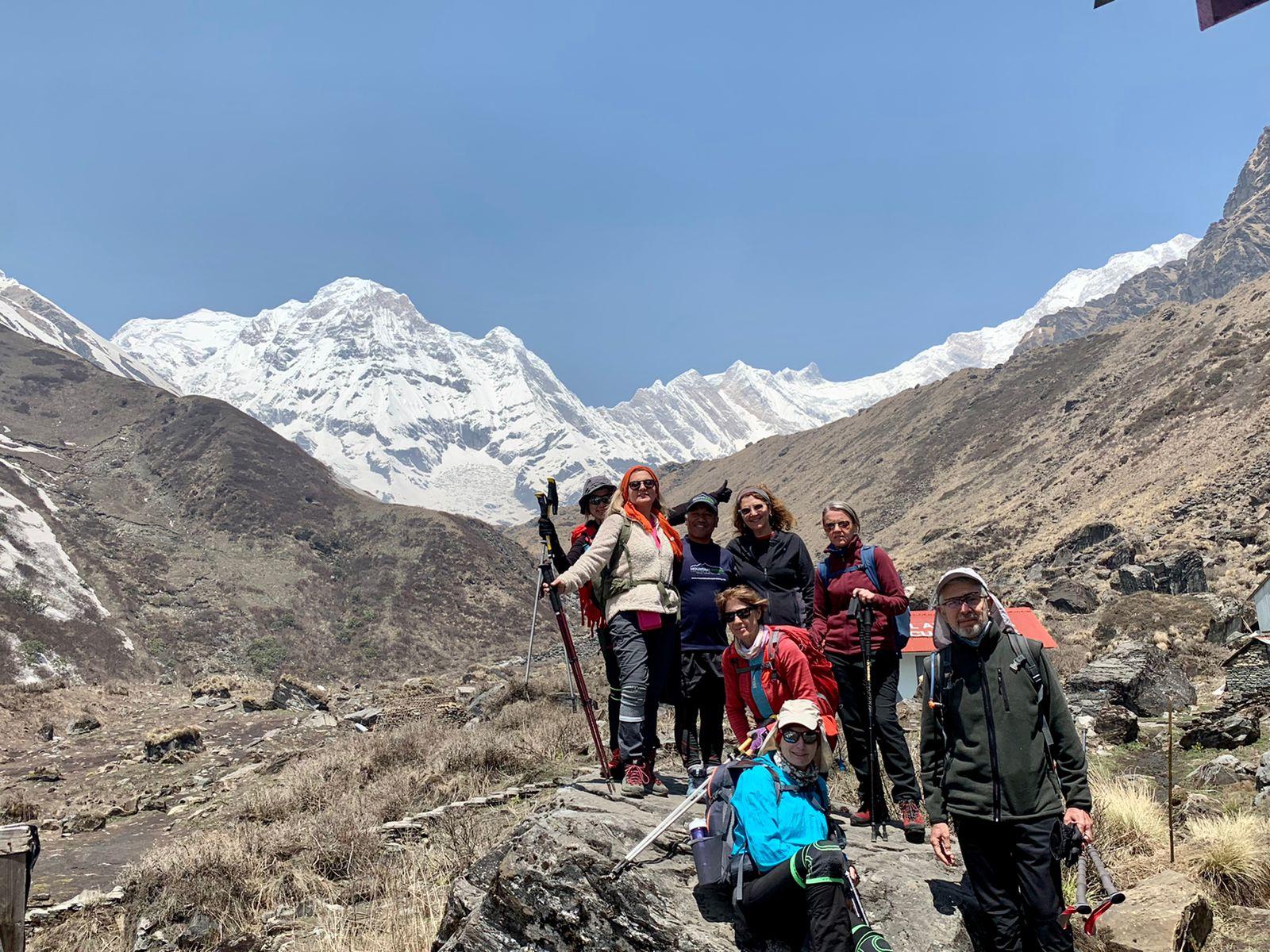
Our knowledgeable local Sherpa guides at Mountain Sherpa Trekking have guided trekking tours for trekkers from every corner of the globe, safely navigating the renowned mountain trails of Nepal.
Still deciding between EBC trek and Annapurna Base Camp? Our experienced local Sherpa team can help you compare itineraries, choose the right trekking season, and recommend the best route based on your fitness level, travel schedule, and adventure goals. Contact us for personalized trekking advice before planning your journey to Nepal.
Yes, Everest Base Camp is more demanding. This is due to the altitude, trekking route length, and amount of acclimatization required.
2. Which trek is better for beginners?
Annapurna Base Camp is the recommended starting point for the first-time trekker, since it is easier to reach and has a shorter trek. The trek has a lower altitude, takes less time, and is accessible for beginners.
3. Which trek has better mountain views?
Both provide great Himalayan views. Opt for Everest if the purpose of your trek is simply to view Mount Everest. Opt for Annapurna if you'd rather be trekking amongst a wider variety of spectacular peaks.
4. Which trek is more expensive?
The cost of Everest Base Camp is more than some other treks because of internal flights, long days of trekking, and also more expensive transportation costs in the Khumbu region.
5 Can beginners trek to Everest Base Camp?
Absolutely. With the right training, gradual altitude rise, and experienced guides, many first-timers make it up to the Everest Base Camp Trek each year.
6. Which trek has a higher risk of altitude sickness?
Everest Base Camp has a significantly higher altitude, making altitude sickness more likely than on the Annapurna Base Camp Trek.
7. When is the best time for these treks?
The best weather, visibility, and comfortable trekking conditions in both sections of the trail can be enjoyed in spring (March to May) and autumn (September to November).
8. Which trek is better for photographers?
Both are excellent. The highest of the Himalayas is Everest with its famous peaks and massive glaciers; Annapurna has a much more varied landscape with forests, villages, waterfalls and snow-covered mountains.






![Annapurna Circuit Luxury Trek [Luxury Accommodation + Wildlife Safari] - 16 Days](/uploads//141/1711602742_thump.jpeg "Annapurna circuit luxury trek | Luxury Annapurna Circuit Trek")