-
Sumba Sherpa (Co-Founder & CEO)
+977-9849643731
Since 1998 15,000+ Happy Guests Sherpa Owned & Operated Company

The best time for the Everest Base Camp trek varies by season. Learn about the ideal months and choose the best season for your trek to Everest.
Quick Answer: What Is the Best Time to Visit Everest Base Camp?
Spring (March to May) and autumn (September to November) are the best seasons to visit Everest Base Camp. These seasons have settled weather conditions, a comfortable daytime temperature, good clear mountain views, and great conditions for trekking.
These months tend to be the safest, most scenic, and best for a trekking time of year for the majority, particularly for those from the USA.
The Everest Base Camp Trek is planned to give suitable acclimatization and enable you to enjoy the Everest region in its best trekking season.
For many international travelers, including visitors from the United States, April, May, October, and early November are especially popular because they offer the most reliable weather, excellent mountain visibility, and comfortable trekking conditions. These months also align well with common vacation periods, making them ideal for planning a Himalayan adventure.
If you are looking for a brief overview before planning your trek, below are the most important points you need to know about the best time to visit Everest Base Camp.
| Season | Weather | Mountain Views | Crowds | Best For |
| Spring (March–May) | Mild and stable | Excellent | High | First-time trekkers, photographers, and nature lovers |
| Summer / Monsoon (June–August) | Warm with frequent rain | Fair to limited | Low | Budget-conscious travelers and experienced trekkers seeking quieter trails |
| Autumn (September–November) | Dry and stable | Outstanding | very High | Most trekkers, families, and those looking for the best overall trekking conditions |
| Winter (December–February) | Cold and snowy | Excellent on clear days | Very Low | Experienced trekkers who prefer peaceful trails and snow-covered landscapes |
Knowing the best time to visit Everest Base Camp is essential to a great trekking experience. The conditions in Everest also vary with the season and affect everything from the trail conditions to the mountain's visibility and flight schedules to accommodation.
Everest Base Camp is open throughout the year, but each season has its own set of pros and cons. These seasonal variations allow you to plan your trip during the appropriate time to suit your travel objectives, level of experience, and preferences for trekking.
Here are the most important reasons why the timing is crucial:
When the weather doesn't change, trekking is safer and more enjoyable! Spring and fall offer good daytime temperatures, good trail conditions, and minimal weather-related delays. Winter is snowy and cold, and the monsoon period can also be rainy, muddy, and with low visibility.
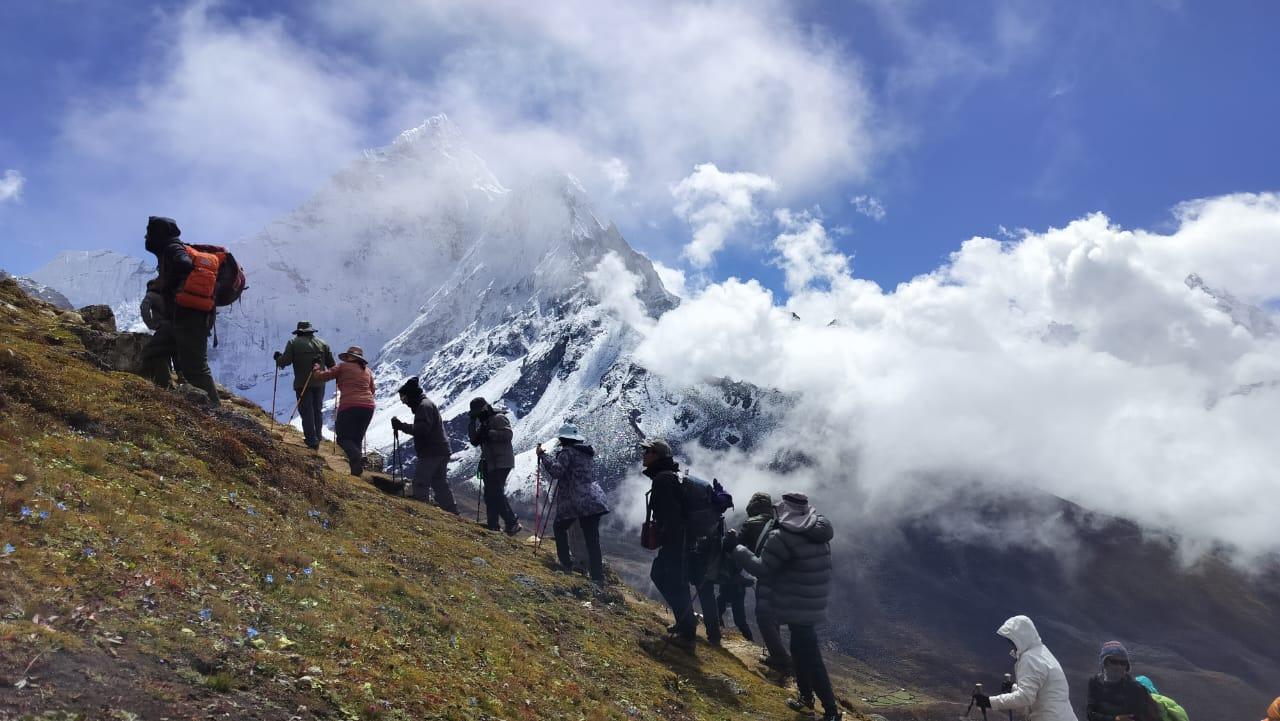
There is no doubt that one of the best things about the Everest Base Camp hike is the magnificent scenery of the Himalayan giants like Mount Everest, Lhotse, Nuptse, and Ama Dablam.
The season you select will make for a clearer sky and uninterrupted mountain views throughout your trip.
For those who want to experience these incredible views firsthand, the Everest View Trek is a shorter and more accessible route to the same excellent views.
The majority of Everest Base Camp treks start by flying into Lukla. Airline schedules may be impacted by mountain weather, especially in the monsoon season and winter.
If the weather is not expected to change, traveling during this time allows you to be on time and avoid any delays or cancellations.
When the weather is right, it makes daytime hiking more pleasant with comfortable temperatures. It also gives you more time to enjoy the villages, views, and local attractions without the extreme cold or rainy weather conditions.
The busy season of trekking in spring and autumn can mean that tea houses can become crowded. If you are going during these peak months, it's a definite advantage to book your accommodation and trek package in advance.
To know what to anticipate while you are on the Everest trek to Nepal, read Lodge Accommodation on the Everest Trek in Nepal.
Safe trekking conditions with low fluctuation in weather, helping with acclimatization. Planning your trip carefully, incrementally increasing your elevation, helps decrease the chances of altitude sickness, and you enjoy the trip at your own pace.
It's also good to read How to Prepare for Everest Base Camp Trek for fitness, equipment, acclimatization, and planning hints on how to prepare for high-elevation trekking.
Autumn is widely regarded as the best season for the Everest Base Camp trek, and for good reason. As the monsoon rains fade away, the skies turn crisp and clear, offering uninterrupted panoramic views of snow-capped Himalayan giants, including Mount Everest, Lhotse, and Ama Dablam. The air feels fresh, the trails are dry, and visibility is at its best—perfect for photography and mountain lovers.
Daytime temperatures during autumn are pleasant and comfortable for trekking, while nights remain cool but manageable. The stable weather conditions reduce the risk of flight delays to Lukla, making the journey smoother and more reliable. Combined with colorful prayer flags, lively teahouses, and festive local celebrations, autumn creates an unforgettable trekking experience in the heart of the Himalayas.
Spring is another excellent and rewarding time to trek to Everest Base Camp. As winter fades, the trails come alive with blooming rhododendrons, magnolias, and vibrant alpine flowers, transforming the landscape into a natural wonderland. This season offers a perfect balance of beauty and adventure.
The weather in spring is generally stable and mild, with warmer daytime temperatures compared to autumn. Clear mornings provide stunning mountain views, while the slightly warmer climate makes high-altitude trekking more comfortable. Spring is also the climbing season for Mount Everest, so trekkers can experience the excitement of expedition activity at Everest Base Camp.
Despite the advantages of these two peak seasons, it is important to note that the weather in the Himalayas can be unpredictable at times. Flights to and from Lukla, the gateway to Everest Base Camp, may sometimes experience delays or cancellations due to adverse weather conditions. For this reason, we strongly recommend including an extra contingency day in your itinerary.
At Mountain Sherpa Trekking, as we organize safe and quality everest base camp trek for over 27 years have taught us the importance of planning for such scenarios. We have thoughtfully designed our Everest Base Camp trek itinerary to include an additional day in Kathmandu at the end of the trek. This ensures flexibility and peace of mind for our guests, allowing for any potential delays due to weather or unforeseen circumstances. By doing so, we aim to make your trekking experience as seamless and enjoyable as possible.
As we have organized 100% safe and quality everest base camp trek over 27 Years as per our experience , we highly recommend choosing the best time for your Everest Base Camp trek to ensure a less crowded and more enjoyable experience. If you’re looking to avoid busy trails and immerse yourself in the breathtaking beauty of Everest, we suggest trekking in late September to early October or in November. During these months, the trails will be less crowded, offering a more peaceful and intimate adventure with the Himalayas.
Alternatively, if you prefer to trek in the spring season, the ideal time would be late February to early March. During these months, you’ll also encounter fewer trekkers on the trail, allowing for a quieter and more personal journey.
We believe these timeframes provide the best balance of stunning views, pleasant weather, and a tranquil trekking experience. Whatever option you choose, we’re confident your adventure will be unforgettable.
Autumn offers a perfect blend of weather, tranquility, and awe-inspiring views, making it the ultimate time to embark on your Everest Base Camp adventure.
Spring (late February to May) is a close second to autumn for trekking to Everest Base Camp, offering unique advantages that make it a spectacular time to visit:
Booking your Everest Base Camp trek is a life-changing decision, and we’re here to make sure it's as smooth and unforgettable as possible. Here’s what you need to know before you go:
Trekking to Everest Base Camp is not just a physical journey, it’s an emotional one. With the right preparation, guidance, and respect for the land and its people, you’ll create memories that will last a lifetime.
If you're looking to experience the Everest region in the most luxurious way possible, our 13-day Luxury Everest Base Camp Trek with Helicopter Return is your perfect choice. Designed for those with limited time but a desire for unmatched comfort, this trek offers an unforgettable journey through the Himalayas.
Begin your adventure in Kathmandu, staying at a luxurious 5-star hotel where you’ll relax in the finest accommodations before and after your trek. Along the way, you'll enjoy the best Sherpa lodges, each offering personalized service and the incredible warmth of Sherpa hospitality. This trek is a rare blend of adventure and luxury, ensuring that every moment of your journey is as extraordinary as the mountains you’re exploring.
Want to know why so many people rave about our Luxury Everest Base Camp trek? Read this blog Why Luxury trekking in Everest Region is the perfect choice?
Here are our top must-do treks in the Everest region, cherished by our valued clients:
Each of these treks offers a unique blend of adventure, breathtaking beauty, and the chance to experience the magic of the Everest region like never before. Let your journey begin!
For any inquiries or questions regarding the best trekking experiences in Nepal, we encourage you to reach out to us via email or WhatsApp. We are here to assist you and provide you with all the necessary information you need to embark on your perfect trekking adventure in Nepal.
In the end, the best time to visit Everest Base Camp depends on the type of adventure you're seeking. For those who want the best of the weather, comfortable nights, and clear views of the mountains, the spring (March-May) and fall (September-November) seasons are still the best to visit.
The peaceful trails and breathtaking snowy vistas of winter are matched by the lush scenery and lesser crowds of the monsoon season. With each season comes its own appeal, but selecting the right season in accordance with your experience, budget, and expectations will make your journey a memorable and safe one.
While it is important to know when to go, it is equally critical to plan, prepare for the trip, pack the right gear, and give yourself adequate time to acclimatize.
From guiding your first time through the region of the Himalayas to planning your next trip, Mountain Sherpa Trekking has been offering adventure travel experiences to the Everest region for more than 27 years with experienced local Sherpa guides and well-designed itineraries.
Looking for the traditional Everest experience, our Everest Base Camp trek is a great option. If you want more luxury while trekking to Everest Base Camp, the Best Luxury Everest Base Camp Trek with Top Hotels & Lodges package is the perfect choice.
Prefer to save time on the return journey? The Luxury Everest Base Camp Helicopter Return Trek(5 Star Hotel & Luxury Lodge + Expert Sherpa) is a perfect blend of a helicopter tour back and a full trekking experience.
Regardless of which itinerary you select, it is guaranteed that you will have a safer, more rewarding, and unforgettable Everest experience with an experienced local group.
October is widely considered the best month because it offers stable weather, excellent mountain visibility, and comfortable trekking temperatures.
2. Is April a good time to trek to Everest Base Camp?
Yes. April is one of the most popular months thanks to clear skies, blooming rhododendron forests, and ideal trekking conditions.
3. Can beginners trek to Everest Base Camp?
Yes. Spring and autumn are the best seasons for beginners because the weather is generally more predictable and the trails are easier to navigate.
4. Which season has the clearest mountain views?
Autumn, particularly October and early November, usually provides the clearest views of Mount Everest and the surrounding Himalayan peaks.
5. Is winter trekking safe?
Yes, provided you have the right equipment, a gradual acclimatization schedule, and an experienced guide.
6. Can I trek during the monsoon season?
Yes, but you should expect occasional rain, cloudy conditions, and possible Lukla flight delays. Flexibility is important if you're trekking between June and August.
7. How many days do I need for the Everest Base Camp Trek?
Most trekkers spend 12 to 17 days, allowing enough time for proper acclimatization and a safe return journey.
8. Do I need a guide for Everest Base Camp?
Although experienced hikers may complete the trek independently where regulations permit, trekking with a professional Sherpa guide offers greater safety, local knowledge, navigation support, and assistance with altitude-related issues.
provide you with all the necessary information you need to embark on your perfect trekking adventure in Nepal.

E-mail: info@mountainsherpatrekking.com
Write us to on WhatsApp: +977-9849643731