
-
Sumba Sherpa (Co-Founder & CEO)
+977-9849643731
Since 1998 15,000+ Happy Guests Sherpa Owned & Operated Company
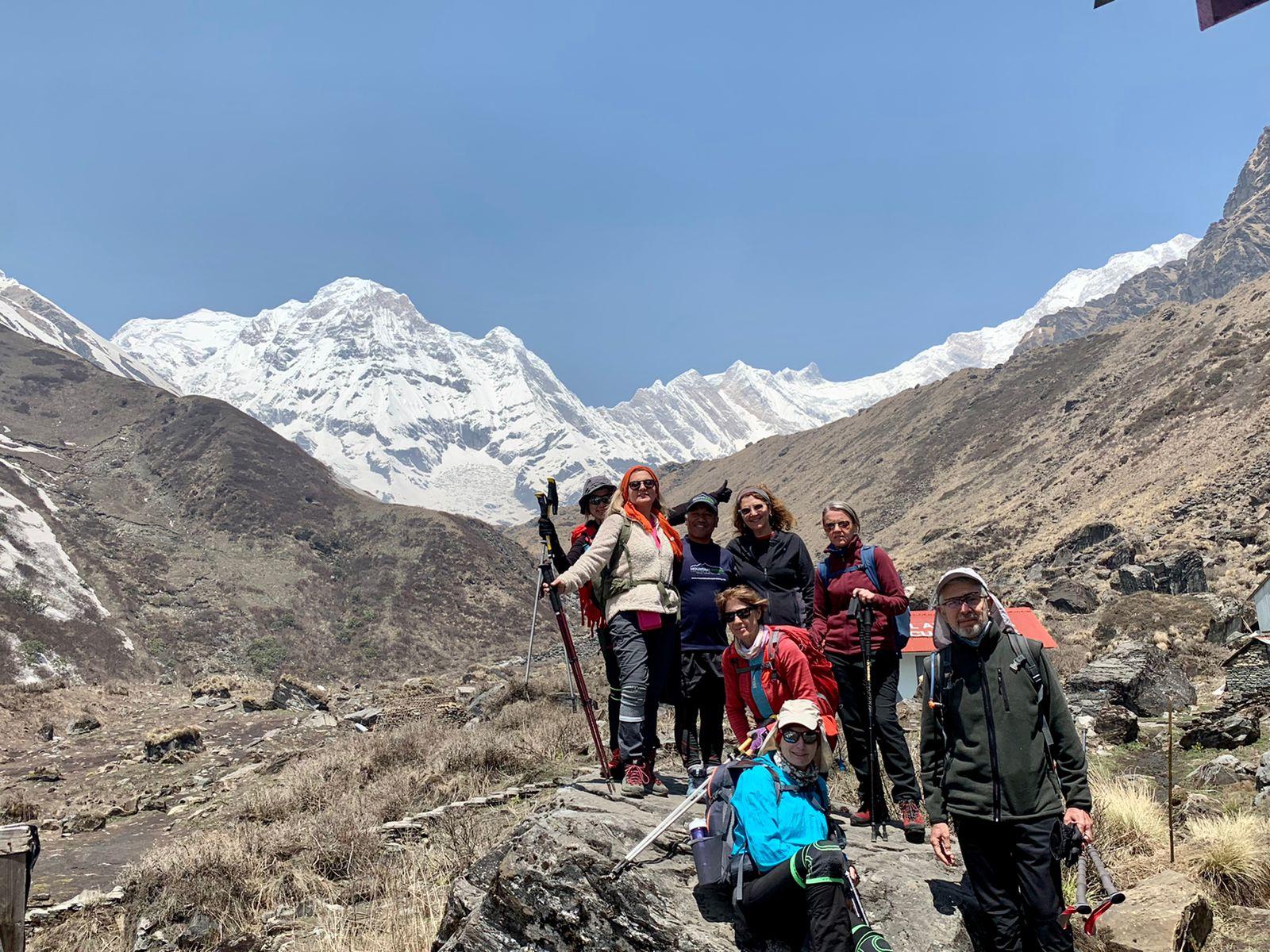
Annapurna Base Camp Trek Itinerary is one of the most preferred Himalayan treks in Nepal that not only offers incredible scenery of mountain landscapes, diverse terrains, and villages, but also offers incredible authentic culture.
Annapurna Sanctuary has the Annapurna Base Camp trek where there are beautiful ranges like Annapurna I (8,091m), Machhapuchhre (Fishtail), Hiunchuli, and Annapurna South among others.
Proper planning in the Itinerary would be appropriate for the trekkers so that the trekking experience could be great and safe.
The gain in altitude will help the trekker to adjust, and the changing scenery from the green forests and terraced farms to alpine vegetation and snow-capped mountains makes trekking more enjoyable.
This detailed Annapurna Base Camp Trek itinerary would clarify things for you that are needed before the trekking starts.
It explains the complete trekking route, hours of duration and altitude to walk each day, food, room accommodation, and difficulty level, seasons for it, and preparation for the trek.
It would be appropriate for a beginner trekker of Himalayan trekking and the one that trekked before.
|
Quick Facts |
Details |
|
Trek Duration |
13 Days |
|
Maximum Altitude |
4,130 m (13,549 ft) |
|
Difficulty |
Moderate |
|
Best Time |
March–May & September–November |
|
Starting Point |
Ghandruk
|
|
Accommodation |
Tea Houses & Lodges |
|
Permits |
ACAP & TIMS |
|
Suitable For |
Beginners with good fitness & experienced trekkers |
Annapurna Base Camp Trek Overview
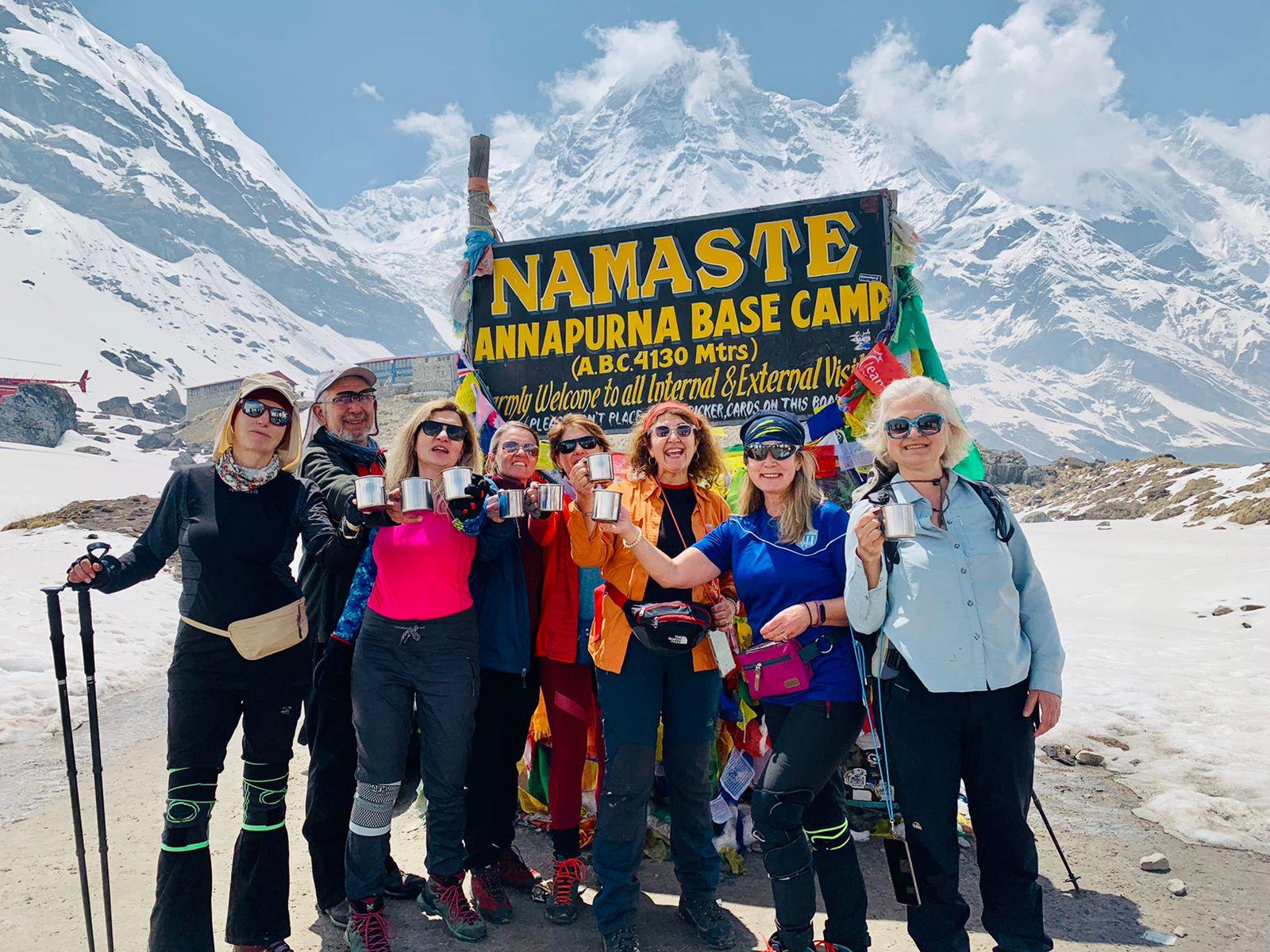
A Trek in Nepal, the Annapurna Base Camp Trek is renowned as one of the classical Himalayan treks in Nepal to visit the base camp at an altitude of 4130 m (13,549 ft).
Annapurna Base Camp Trek (commonly known as ABC Trek) is one of the most iconic Himalayan adventures, which lead to the base camp of Annapurna.
The trek traverses the magnificent Annapurna region of Nepal and passes through traditional Gurung villages, lush green rhododendron forests, valleys, and high mountain scenery.
The trekking route is less extreme in terms of difficulty, but good physical condition along with enough training could help you complete the expedition with a smile. There is no risk of climbing technical skills in this trek.
Annapurna Base Camp trek offers an easy hike where you can easily find teashouses along the trail, hence, most of the high-mountain region hikes are popular in this region. Annapurna treks normally start from Pokhara (the hub of Nepalese Trekking Destinations).
It is popular for visits to Ghorepani, Chhomrong, Bamboo, Deurali, Machhapuchhare Base Camp, and finally reaching Annapurna Base Camp.
For trekkers who want to combine cultural exploration with the ABC experience, the Annapurna Sanctuary Trek offers an extended route including the famous Poon Hill sunrise viewpoint and traditional mountain villages.
The Annapurna Base Camp Trek is suitable for all kinds of trekkers, from first-timers to veteran mountain lovers.
The trail is one of the most accessible high-altitude treks in Nepal, following well-worn paths and staying in comfortable tea house accommodations.
This trek is ideal for:
This trek may not be suitable for:
The Annapurna Base Camp trek is well known for its breathtaking fusion of nature, culture & Himalayan adventures.
Major highlights of the trek include:
1.Spectacular Himalayan Mountain Views
Throughout the journey, trekkers enjoy panoramic views of some of Nepal’s most iconic peaks, including:
Annapurna (8,091m)
Annapurna South
Machhapuchhre (Fishtail)
Hiunchuli
Gangapurna
Dhaulagiri range
The sunrise and sunset views from different viewpoints along the route create unforgettable memories.
2. Experience Traditional Gurung Culture
This trail leads you through charming mountain villages where you can experience the cultures, traditions, lifestyle, and hospitality first-hand.
Some of the famous villages on this trail include:
Ghandruk Village. The most famous village this trek passes through is Ghandruk, infamous for its ethnic houses, majestic views of the surrounding mountain range, and Gurung culture & heritage. For more trekking in Ghandruk and in the region, the trekkers can visit these links:
3. Ghandruk-A-Himalayan-Village-Rich-in-Culture-and-Beauty
This village will be a perfect taster for local culture before you venture further towards your destination.
4. Trek Through Diverse Landscapes
One of the highlights of the Annapurna Base Camp Trek is how the landscapes vary over the relatively short time span of your journey.
The trail passes through:
Green farmland
Rhododendron forests
Bamboo forests
Waterfalls
Mountain valleys
Alpine landscapes
Glacier surroundings
This diversity makes the trek visually rewarding from beginning to end.
5. Reach Annapurna Sanctuary
The trek terminates at the Annapurna Sanctuary, a natural amphitheater encircled by soaring Himalayan peaks.
Trekkers at Annapurna Base Camp enjoy a 360-degree mountain panorama with massive Himalayan walls rising above the valley.
Among the most memorable moments of the trip to reach ABC are the peace of the surroundings and breathtaking mountain views.
|
Trek Feature |
Details |
|
Trek Name |
Annapurna Base Camp Trek |
|
Region |
Annapurna Region, Nepal |
|
Maximum Altitude |
4,130 meters |
|
Trek Duration |
7–13 Days (depending on route) |
|
Standard Itinerary |
13 Days |
|
Difficulty Level |
Moderate |
|
Starting Point |
Ghandruk |
|
Ending Point |
Jhinu Danda |
|
Best Seasons |
Spring and Autumn |
|
Accommodation |
Tea Houses and Lodges |
|
Required Permits |
ACAP Permit and TIMS Card |
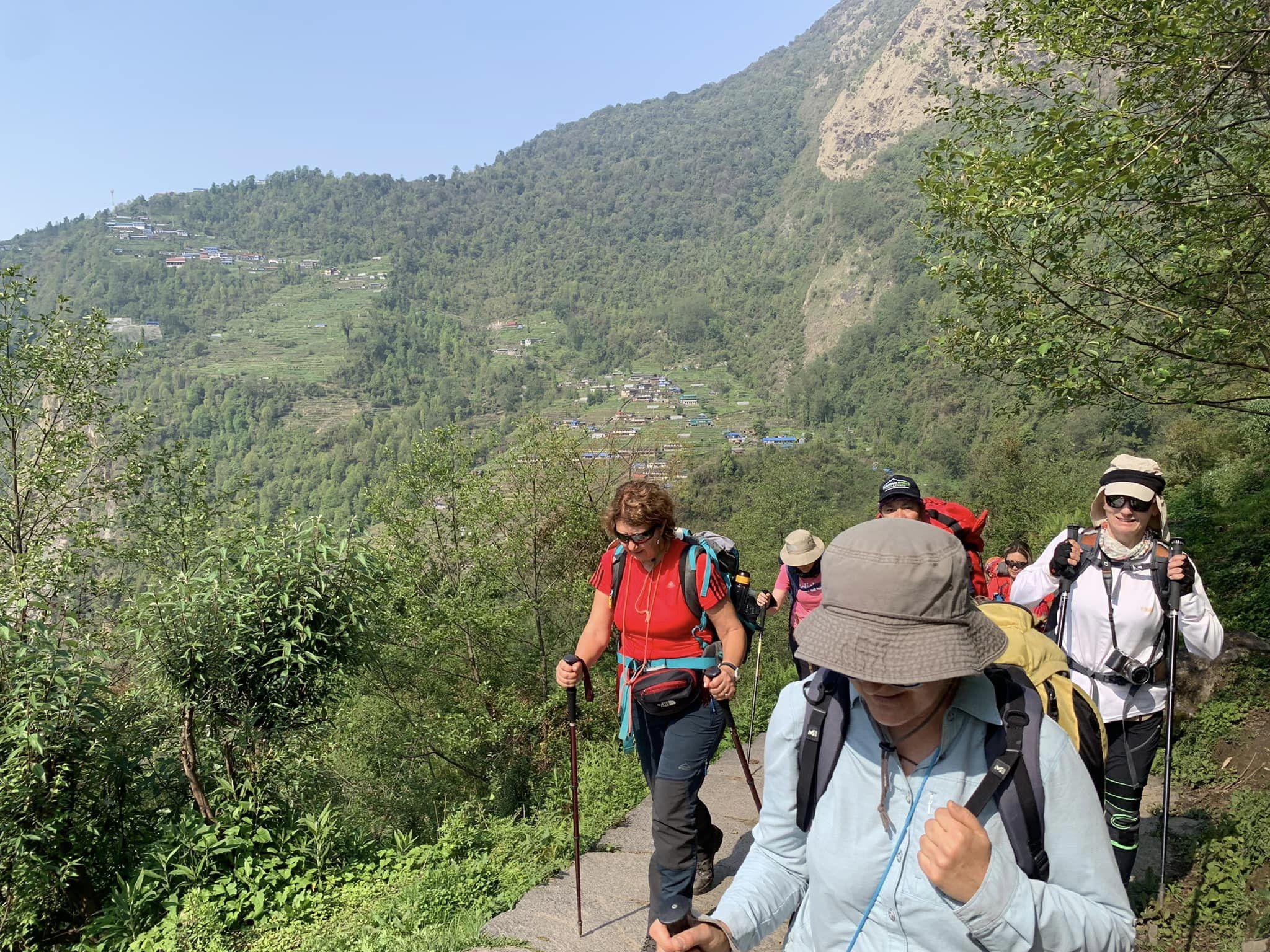
The 13 days of the itinerary allow you to ascend gradually, reducing the risk of altitude sickness, while also enjoying the landscapes and local culture. It provides flexibility for minor weather variations and a more enjoyable trekking experience than rushed itineraries do.
A typical Annapurna Base Camp Trek Itinerary is usually around 13 days, including arrival, transportation, trekking days, and return travel.
This itinerary is well conceived with gradual gain of altitude for proper acclimatization and a comfortable trekking experience.
|
Day |
Route |
Altitude |
Walking Duration |
|
Day 1 |
Arrival in Kathmandu |
1,400 m (4,593 ft) |
- |
|
Day 2 |
Kathmandu to Pokhara |
822 m (2,697 ft) |
6–7 hrs drive |
|
Day 3 |
Pokhara to Ghandruk |
1,940 m (6,365 ft) |
2 hrs drive & 2 hrs trek |
|
Day 4 |
Ghandruk to Chhomrong |
2,170 m (7,119 ft) |
Approx. 5–6 hrs |
|
Day 5 |
Chhomrong to Bamboo |
2,310 m (7,579 ft) |
Approx. 5–6 hrs |
|
Day 6 |
Bamboo to Deurali |
3,200 m (10,499 ft) |
Approx. 5–6 hrs |
|
Day 7 |
Deurali to Annapurna Base Camp |
4,130 m (13,550 ft) |
Approx. 4 hrs |
|
Day 8 |
Annapurna Base Camp to Bamboo |
2,310 m (7,579 ft) |
Approx.6 hrs |
|
Day 9 |
Bamboo to Jhinu Danda |
1,780 m (5,840 ft) |
Approx.5–6 hrs |
|
Day 10 |
Jhinu Danda to Pokhara |
822 m (2,697 ft) |
Approx.2 hrs drive |
|
Day 11 |
Pokhara Sightseeing |
822 m (2,697 ft) |
5-6 hrs drive |
|
Day 12 |
Pokhara to Kathmandu |
1,400 m (4,593 ft) |
Flight 25 minute and drive 5-6 hrs |
|
Day 13 |
Transfer to Airport and Fly back to Home
|
1,400 m (4,593 ft) |
- |
Your Annapurna Base Camp adventure begins as you arrive at Tribhuvan International Airport in Kathmandu.
You will be greeted by a representative of Mountain Sherpa Trekking and transferred to the hotel. The main activities of this day are rest, preparation, and familiarization with the trekking plan.
Kathmandu is a city rich in historical sites, old temples, traditional markets and UNESCO World Heritage Sites. You can either visit the nearby places of interest or just get your trekking gear ready at the time of arrival.
In the evening, your trekking guide will provide important information about:
Overnight: Kathmandu Hotel
After breakfast, you will drive to Pokhara, the gateway city for the Annapurna region.
The drive is scenic, along the Prithvi Highway, through beautiful hills, rivers, forests and traditional villages.
The journey takes about 6-7 hours, but the scenery changes make it a pleasant journey.
Pokhara is one of Nepal’s most beautiful destinations, famous for:
Before starting the trek, you can relax near Lakeside Pokhara and enjoy the peaceful environment.
Note: Optionally, you can fly to Pokhara from Kathmandu, which takes only a 25-minute flight. The flight offers stunning views of the Himalayan ranges stretching east to west along the northern side of Nepal. We advise you to sit on the right side for the best views.
On the return flight to Kathmandu, a left-side window seat generally provides the better mountain views
Today is the first day of your trekking adventure.
After breakfast, you will drive from Pokhara to the starting point of the trek and walk towards Ghandruk village.
The trail offers the chance to experience the natural beauty of the Annapurna region with views of lush hills, rivers, forests and traditional settlements.
Ghandruk is one of the prettiest villages in Nepal and the first real cultural experience of the trek.
The village offers stunning views of:
Wander around the village, get to know the locals, and get a taste of traditional Gurung hospitality.
From the pristine mountain vistas, Ghandruk serves as your launchpad into another phase of your Annapurna Circuit adventure as you make your way to the vibrant settlement of Chhomrong village.
Journey along forested terrain adorned by breathtaking sights of the snowcapped faces of both Annapurna South and Machhapuchhre.
A key stopping destination, Chhomrong is the last of the large villages before you start venturing off the beaten path into the heart of the Annapurna Base Camp, and it rewards you with good scenery and friendly tea house facilities.
Today you trek further into the Annapurnas as you leave Chhomrong and the trail steeply descends to the Chhomrong Khola before climbing steadily through the lovely forests.
Today you will experience the tranquil Annapurna Sanctuary.
You will walk through:
As you gain altitude, the landscape becomes more alpine, and the mountain views become even more impressive.
Once at Bamboo, begin heading toward Deurali after your morning meal. The trek heads further into the sanctuary.
The trail today starts climbing at a gentle pace through thick bamboo, rhododendron, and alpine vegetation. The beautiful forest, clear flowing rivers, and awesome mountain scenery make this part of the trek really enjoyable.
Higher up, the foliage becomes even thinner, and the landscape around begins to turn from woodland into the rough and ready Himalayan terrain.
The route passes through important trekking points such as:
Deurali has incredible views of the mountains and makes a great place to stop for the night before getting to Machhaphuchhre Base Camp and Annapurna Base Camp.
This is now one of the most thrilling and unforgettable days of your Annapurna Base Camp Trek Itinerary. You will now have finally arrived at Annapurna Base Camp.
Following breakfast, the trail ascends into the more alpine terrain to reach. The mountains around you grow in size and stature upon entering the Annapurna Sanctuary.
From Machhapuchhre Base Camp, you can enjoy spectacular views of:
Once we take our short break, we begin to make our way to Annapurna Base Camp.
Achieving Annapurna Base Camp at 4130 meters feels like a dream. The base camp is located within the massive Himalayan peaks, forming a natural amphitheater which is second to none in Nepal.
Trekkers can enjoy:
This is the highlight of the entire journey.
Get up early and watch the sunrise behind the stunning Annapurna mountain range.
Annapurna Base Camp in the morning offers the most spectacular viewing of the trek, as the sun strikes on the snow-capped mountains. Following breakfast and a photo-op, you will descend toward Bamboo.
Today is mainly downhill, so walking is much easier than yesterday. Still, trekkers should not walk carelessly as most downhill tracks are harsh on the knees.
Enjoy the same scenic landscapes while viewing the mountains and valleys from a different direction.
Today, the trail heads again toward Jhinu Danda, quite a common resting point on the Annapurna route.
To be a journey through the sounds of forest trails, mountain villages, and the beautiful composition of hills.
The primary attraction of Jhinu Danda is the natural hot spring. Upon completing a few days of trekking, taking a soak in the natural warm spring waters is a welcome relief to sore muscles.
The hot spring is truly the highlight of the return trip.
Once breakfast is finished, you will undertake the last section of the trek and drive back to Pokhara.
The trail presents scenic views of the farms, water courses, and native villages of Nepal before arriving at the tranquil lakeside city.
Once in Pokhara, there is plenty to do. Relax, bask in your achievement of finishing a challenging trek, and soak up the relaxing atmosphere of Lakeside Pokhara.
Popular activities in Pokhara include:
Driving Duration: Approx 2 hours drive
Overnight: Pokhara Hotel
Following your trek, a day relax in Pokhara. Pokhara is called the adventure capital of Nepal and is a great mix of nature, culture, and relaxation.
You can explore:
This rest day allows you to recover before returning to Kathmandu.
Overnight: Pokhara Hotel
Post breakfast, you will be driven back from Pokhara to Kathmandu. A lovely way to view the gorgeous countryside of Nepal.
When in Kathmandu, you may consider buying souvenirs, browsing in markets or spending time at the hotel.
Your final day in Nepal can be spent exploring Kathmandu's cultural attractions. It all depends on your international flight time from Kathmandu. If your flight is in the morning, you will not have enough time to cover the sightseeing; however, if your flight time is in the evening, you can cover all the popular places in Kathmandu.
Some popular places to visit include:
You can also spend time purchasing traditional handicrafts and trekking memories before your departure.
Overnight: Kathmandu Hotel
Season selection is crucial in planning your Annapurna Base Camp Trek Itinerary to gain the best experience.
The best seasons for the ABC Trek are:
Spring is one of the most popular times for trekking in the Annapurna region.
Highlights:
The forests along the trail become colorful during spring, creating a beautiful trekking environment.
Autumn is considered the best season for the Annapurna Base Camp Trek.
Advantages include:
Many trekkers choose autumn because the Himalayan scenery is at its best.
Winter trekking is possible for experienced trekkers who enjoy snowy landscapes.
Advantages:
However, temperatures can drop significantly at higher elevations, so proper winter equipment is necessary.
The monsoon season brings heavy rainfall to many parts of Nepal.
Challenges include:
Although trekking is possible, most travelers prefer spring and autumn for better conditions.
For a detailed seasonal guide, trekkers can also read the Annapurna Base Camp Trek best time to understand the ideal months, weather conditions, and preparation requirements.
Annapurna Base Camp Trek is a moderate-level trek.
No technical hiking skills are needed, however, you should be aware that treks take long hours of walking, altitude, and climbing.
The main factors affecting difficulty include:
Altitude
The highest point of the trek is Annapurna Base Camp (4130m).
While this is at a lower altitude than Mt Everest Base Camp, good acclimatisation and an easy programme are still a health requirement.
Walking Hours
Most trekking days require:
Good stamina and regular walking practice before the trek are recommended.
Physical Preparation
Trekkers should prepare with:
With the right trip plan and preparation, anyone new to hiking can enjoy the trek.
Find more information about the adventure, preparation, and the rescue system at Annapurna Base Camp trek difficulty.
Preparation before your trek will make the trek safer and more enjoyable. Try to start training at least 6-8 weeks before departure.
Recommended preparation includes:
For more preparation tips, you can also read Training and Preparation for Annapurna Base Camp Trek.
The cost of the Annapurna Base Camp Trek depends on several factors, including:
Included Services:
Additional Personal Expenses:
When you search for a trekking company, always choose the one with more experience. It makes your trekking safer, better organized, and smoother.
You can choose from a variety of Nepal Trekking Packages depending on your budget, time frame, and type of adventure.
Most trekking packages include:
Usually Not Included
If you're one of those travelers who wants to explore the Annapurna Base Camp but prefers to have the comforts of homelike amenities and tailoring services, the Annapurna Base Camp Luxury Trek is the best choice.
A luxury trek in the Himalayas has a feature of combining trekking, which is a wilderness adventure, with providing superior facilities: trail-side service, a more educated guide, and a more comfortable traveling style.
Unlike a standard trekking package, a luxury trek focuses on providing:
Same adventure as always - arriving at the breathtaking Annapurna Sanctuary and revealing the Himalayan marvels- but a trek for those who want a little bit more comfort.
The Annapurna Base Camp Luxury Trek is ideal for:
More of Annapurna to see, and comfortable too. Along with a well-organized itinerary, travelers will be able to experience the stunning beauty of Annapurna without the experience being compromised.
Unique Trekking offers bespoke trek packages with Mountain Sherpa Trekking, designed to fulfill the wants, desiderata, and aspirations of travelers.
Accommodation during the ABC Trek is mainly provided through traditional tea houses and mountain lodges.
Tea houses offer:
Food options include:
That's why dal Bhat is most favored by Trekkers, as it gives you rich power, adequate for trekking long days.
Though the facilities are basic at higher altitudes, the friendliness of the communities makes it all worthwhile.
To make your trek smoother, keep these practical tips in mind:
The packing is arguably the most important part of preparing for the Annapurna Base Camp Trek Itinerary.
The trek takes you from villages at low altitude to the Annapurna Sanctuary, a high-altitude zone at 4130 meters.
Therefore, you must carry the necessities with you while keeping the weight of your daypack in check.
Weather variability is significant here, and it can change very quickly at higher reaches of the area. So it's advisable to be ready for all types of weather conditions.
Base layers help regulate body temperature during cold conditions.
Recommended items:
Once you are close to Annapurna Base Camp, you’ll have to face sub-zero temperatures in the morning and at night.
Carry:
Weather conditions in the Himalayas can change unexpectedly.
Important items include:
Essential trekking equipment includes:
Do not forget:
Packing smartly helps reduce unnecessary weight and makes your trekking experience more comfortable.
Required permits should be acquired by travelers before beginning the Annapurna Base Camp Trek.
The main permits required are:
Since these are part of the Annapurna Conservation Area, everyone embarking on the Annapurna Base Camp trek must have an ACAP permit.
This permit helps support:
The Trekkers Information Management System (TIMS) card is also another requirement in order to trek in Nepal.
It enables local authorities to keep track of trekker names and ensure a safer trekking experience in the state.
Arranging Permits: Avoid potential hassles by ensuring your permits are properly organized beforehand through a registered trekking company or official agency.
For updated travel information and official tourism guidelines, trekkers may also find information from the Nepal Tourism Board.
While being rated as a moderate trek, the Annapurna Base Camp Trek should not be taken lightly, and you should have preparation and safety in mind.
Here are important safety tips:
Altitude sickness can occur in trekkers if they ascend to higher altitudes too quickly.
To reduce risks:
A well-planned Annapurna Base Camp Trek Itinerary helps your body adjust naturally to increasing altitude.
One is very often dehydrated while doing a trek at high elevation. Drink from time to time, and pack a refillable bottle or hydration system.
Do not ignore symptoms such as:
Inform your guide immediately if you experience any discomfort.
A local guide provides valuable support through:
Experienced guides make your Himalayan journey safer and more enjoyable.
Choosing the catering company can be one of the crucial decisions before your Himalayan hike.
Mountain Sherpa Trekking offers trekking led by qualified local guides who have spent much of their life working in the mountains of Nepal and know what's up there.
Our team focuses on providing:
Local Sherpa guides bring years of experience in Himalayan trekking and understand:
Their knowledge helps trekkers enjoy a safer and more meaningful journey.
Every traveler has different expectations. Mountain Sherpa Trekking provides customized options based on:
It is flexible, so it can be tailor-made to suit you, whether you want a traditional trek or something more comfortable.
Safety is always the top priority during Himalayan trekking.
The team provides:
Travelers looking for trusted Himalayan professionals can learn more through Best Sherpa Trekking & Climbing Guide in Nepal.
Selecting a reliable trekking partner can significantly improve your experience. A professional trekking company should provide:
A range of information about how to choose the best trekking Company in Nepal can be useful for a sensible decision.
There are plenty of trekking routes in the Annapurna region apart from the famous Annapurna Base Camp adventure.
You can also try some other wonderful trips based on your available time and trekking objective.
The Annapurna Circuit encompasses some of the most spectacular and varied trekking terrain in Nepal. It boasts expansive vistas, soaring mountain passes, and cultural immersion.
For trekkers looking for another world-renowned Annapurna trek, the Annapurna Circuit Trek is a more prolonged Himalayan trek through more varied climates.
It is a great trek for those traveling with a tight schedule. Ghorepani Poon Hill Trek is conveniently designed for travelers who have time constraints.
It offers:
Very suitable for beginner groups and families who like to see the Himalayan beauty of Nepal.
This itinerary balances trekking distance, altitude gain, and rest days and is suitable for most travelers. By doing it step by step as you climb, you lessen the chances of altitude sickness and have more time to absorb the views, local culture, and mountain scenery.
If you are looking for something to experience in the Himalayas in Nepal, then this is something that you should definitely try.
Every part of the trip offers memories for a lifetime, from the traditional Gurung villages to the beautiful forests, the stunning vistas of the mountains, and the peaceful Annapurna sanctuary.
By planning a course with a knowledgeable tour guide, trekkers will be able to experience the adventure comfortably, while minimising the risk associated with the changes in altitude.
Knowing the path, the difficulty, the best time, preparations, and permits needed will help you make the most of your trip to the Himalayas.
From classic trekking packages to more luxurious options such as the Annapurna Base Camp Luxury Trek, Mountain Sherpa Trekking offers professionally designed trekking packages with experienced local guides and personalized services.
Mountain Sherpa Trekking offers visitors a safe, knowledgeable way to enjoy the mountains of Nepal.
Start planning your Annapurna Base Camp adventure today and create unforgettable memories in the heart of the Himalayas.
1. How many days does the Annapurna Base Camp Trek take?
The Annapurna Base Camp Trek is typically completed in 7 to 13 days, depending on the route and pace. The standard itinerary is 13 days, including arrival and departure.
The walk is of moderate difficulty and is suitable for beginners with a good level of fitness. It has a few climbs and goes up to 4,130 meters. Read more in our Annapurna Base Camp trek difficulty guide.
The best time to visit is spring (March-May) and autumn (September-November) for good weather, clear mountain views, and comfortable walking. Read our detailed Guide on Best Time for Annapurna Base Camp Trek.
Yes. The trek can be done successfully by beginners with a good level of physical fitness, with good preparation, and with an experienced guide.
The highest point is Annapurna Base Camp at 4,130 meters (13,549 feet) above sea level.
You need an Annapurna Conservation Area Permit (ACAP) and TIMS Card before starting the trek.
Yes. For travelers seeking upgraded accommodation, personalized service, and greater comfort, the Annapurna Base Camp Luxury Trek can be considered.
If you want to have a longer adventure with Thorong La Pass, consider the Annapurna Circuit trek. If you want to reach Annapurna Base Camp with a shorter itinerary, the classic ABC Trek is a good choice.
The total trekking distance is about 110-120 km (68-75 miles) depending on the itinerary and starting point. On some routes, there are optional excursions or village stays which may add a little to the total distance.