
-
Sumba Sherpa (Co-Founder & CEO)
+977-9849643731
Since 1998 15,000+ Happy Guests Sherpa Owned & Operated Company

This is often the first question people ask when planning to trek to Annapurna Base Camp (ABC). In this blog, you will find detailed answers to each question, explained step by step. Please read through, and if you have any questions, feel free to ask at any time.
This guide is written by Mr. Sumba Sherpa, a trekking veteran who has completed the ABC trek over 270 times and has organized it countless times. Here, you’ll find honest, experience-based insights on what to expect, supported by expert knowledge, credible research, and firsthand observations.
Whether you’re planning your first trek or looking to refine your strategy, this guide will help you understand the true demands of the Annapurna Base Camp journey.
The honest answer is simple—but important to understand properly. The Annapurna Base Camp (ABC) trek is moderately difficult. It is not an easy walk, but it is also not an extreme or technical climb.
With the right preparation, a good Sherpa guide, a positive mindset, and proper pacing, most people can successfully complete it
Trekking to ABC is a combination of awe-inspiring scenery and cumulative physical challenge. Beginners often describe the experience as moderately difficult—stairs, long daily walks, and altitude fatigue build up over consecutive days. The trail is non-technical, but endurance, mental resilience, and pacing are key to enjoying the journey.
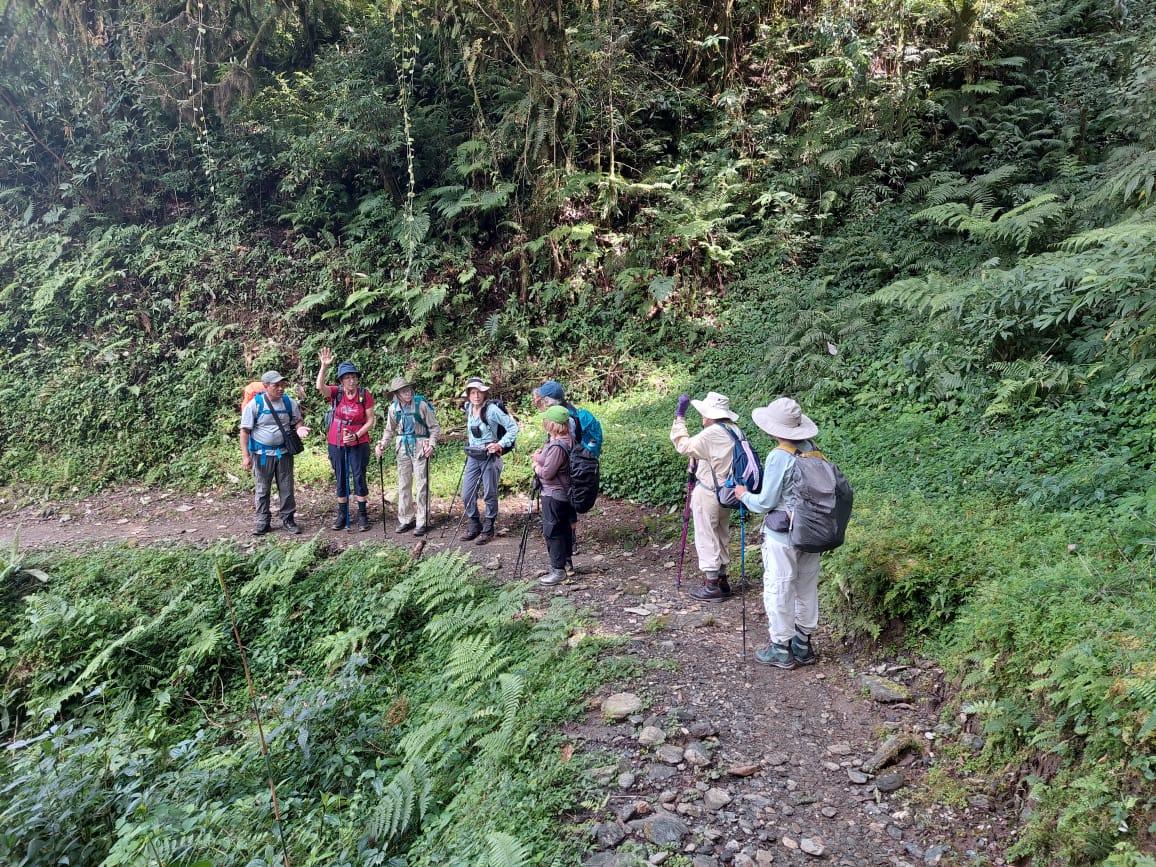
Mental stamina is tested during consecutive long days and variable weather conditions.
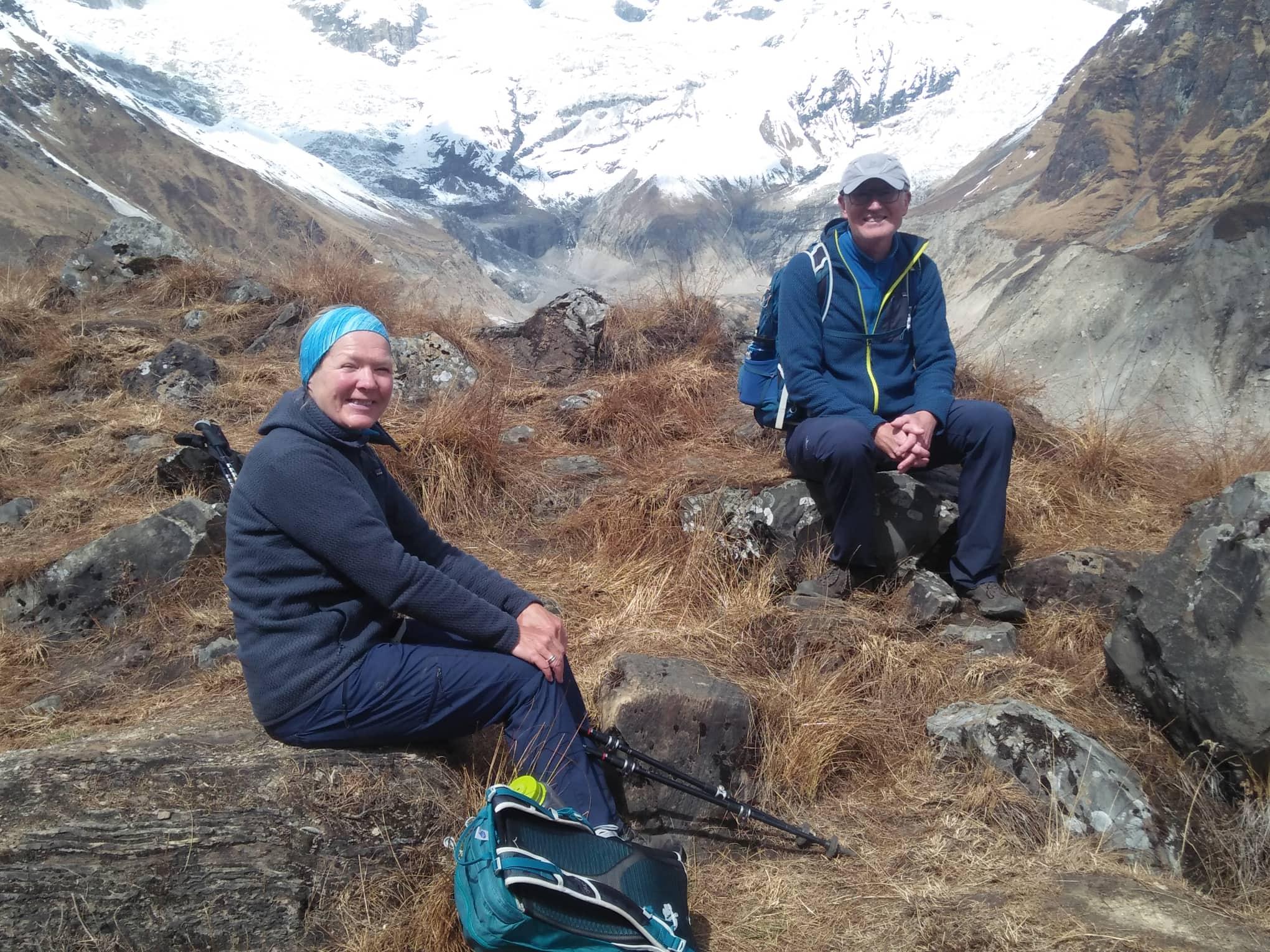
Altitude can cause mild symptoms such as shortness of breath, fatigue, and headaches. The maximum altitude of ABC is 4,130 meters, which is manageable for most trekkers if they pace themselves. Proper hydration, gradual ascent, and optional rest days reduce the risk of acute mountain sickness (AMS).
How does the difficulty of Annapurna Base Camp compare to other Himalayan treks like Everest Base Camp or Langtang?
Yes. With physical training, mental preparation, and gradual pacing, most beginners can complete ABC successfully. The trail is non-technical, well-marked, and supported by teahouses for meals and accommodation.
The difficulty is rarely from a single factor. Repeated stair climbs, long walking hours, and increasing altitude gradually strain both muscles and cardiovascular endurance. Even minor fatigue can affect balance and energy levels, making later days feel significantly harder than early ones. Proper pacing, hydration, and rest are essential.
| Section | Why It’s Challenging |
| Chhomrong → Sinuwa | Steep uphill stair sections |
| Deurali → Machapuchhre Base Camp (MBC) | Altitude + stairs |
| MBC → ABC | Final push; cold, thin air, cumulative fatigue |
| Easier For: | Harder For: |
| Hikers with prior trekking experience | Those who are not fit and have no previous trekking experience |
| Those who are physically and mentally fit | People with knee or joint problems |
If you prepare smartly, the trek becomes far more enjoyable.
| 01: | Train for Stairs: Practice uphill + downhill walking & Focus on legs and knees |
| 02: | Build Endurance: Long walks (2–5 hours) & Multiple days in a row |
| 03: | Walk Slowly: The golden rule: Go slower than you think |
| 04: | Pack Light: Less weight = less fatigue |
| 05: | Stay Hydrated: Helps with altitude and recovery |
Trekking to Annapurna Base Camp (ABC) is generally safe but involves high-altitude challenges and variable weather. With proper preparation and guidance, most trekkers enjoy a secure and unforgettable adventure.
Key Safety Tips
Choosing the Right Sherpa Company
Why Choose Mountain Sherpa Trekking
With 27+ years of experience and a 100% success record, Mountain Sherpa Trekking ensures a safe and memorable ABC trek. From comfortable city accommodations to quality lodges along the trail, delicious meals, and expert guidance, we handle every detail so you can enjoy your journey.
Our licensed Sherpa guides provide unmatched local expertise, ensuring both safety and enriched trekking experiences. Contact us via email or WhatsApp for personalized guidance and bookings.

E-mail: info@mountainsherpatrekking.com
Write us to on WhatsApp: +977-984964373