-
Sumba Sherpa (Co-Founder & CEO)
+977-9849643731
Since 1998 15,000+ Happy Guests Sherpa Owned & Operated Company
Namche Bazaar Guide: Everything You Need to Know Before Visiting the Gateway to Everest
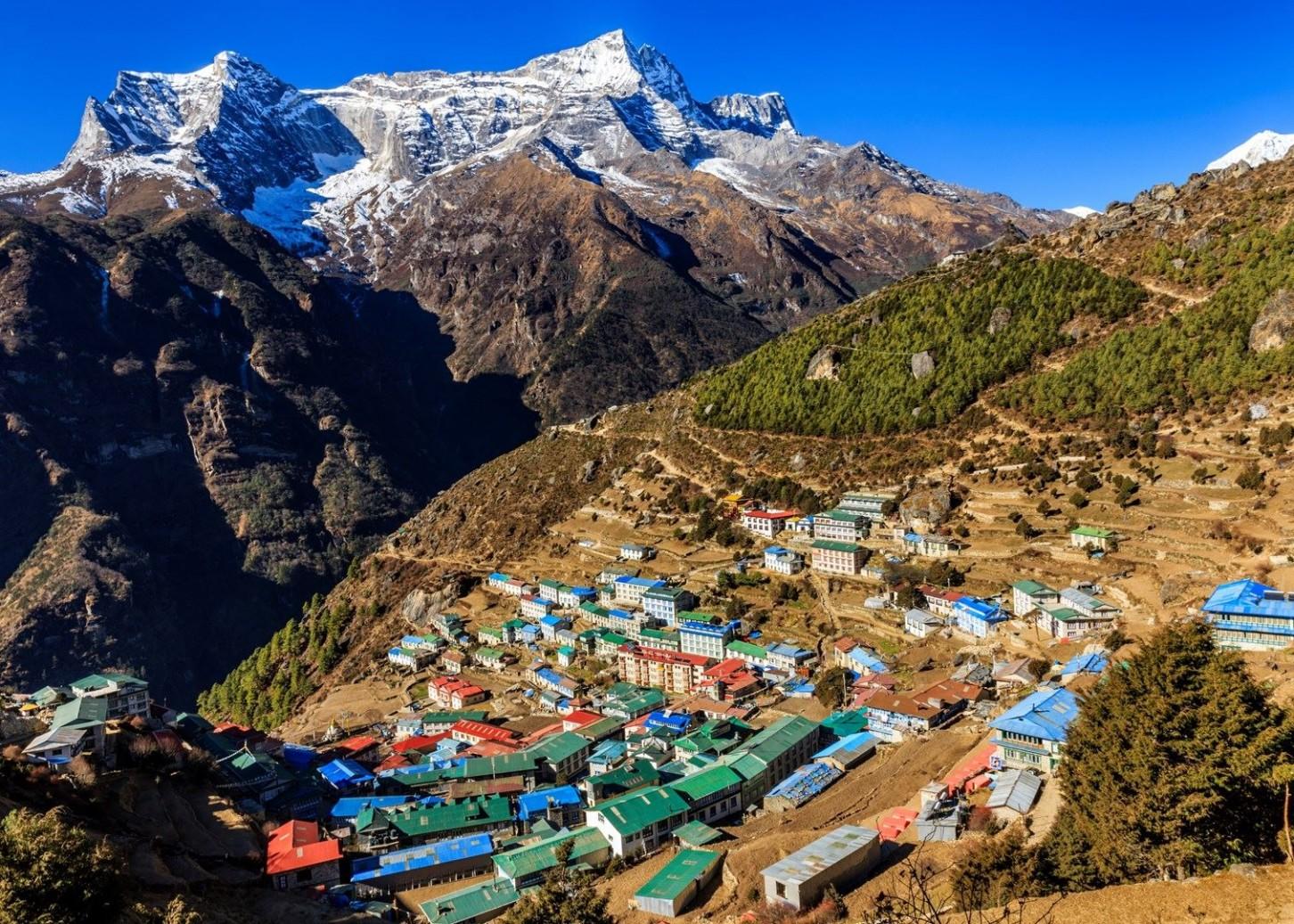
Namche Bazaar is the gateway town of the Everest region, perched at 3,440 meters (11,286 feet) above the Dudh Koshi Valley in a distinctive horseshoe shape. It's the first major stop for trekkers heading to Everest Base Camp, Gokyo Valley, or the Three Passes Trek, and most itineraries require a minimum two-night stay here to acclimatize before going higher.
Once a trading post between Nepal and Tibet, Namche has grown into the Khumbu region's main hub — with lodges, bakeries, cafés, a museum, and monasteries — while still holding onto its Sherpa roots. Whether you're here for the trek, the culture, or the views of Everest, Lhotse, and Ama Dablam, it's a place worth more than a quick overnight stop.
The location of Namche makes it the natural gateway between the lower valleys and the high Himalayas.
One of the most important things travelers need to understand about Namche Bazaar is its altitude.
At this height, many trekkers begin experiencing the effects of altitude. This is why Namche is usually included as an acclimatization stop in Everest trekking itineraries.
Sometimes trekkers may notice a mild headache or shorter breath climbing the final hill into town which is normal, and usually gone within a day of rest and after the acclimatization hike as you will stay 2 nights in Namche including acclimatization hike.
As a responsible trekking company, all our itineraries include a minimum of two nights in Namche Bazaar, allowing the body enough time to adjust before ascending higher. If you would like extra time to acclimatize, the itinerary can easily be customized to add another night in Namche, or an additional night in the nearby village of Khumjung. This is a great option for trekkers who have extra time and want to experience the Everest region at a slower, more relaxed pace.
The famous mountaineering principle of "climb high, sleep low" is practiced here. Trekkers often hike to higher viewpoints during the day and return to Namche Bazaar for the night.
From Ancient Trading Village to Everest Gateway
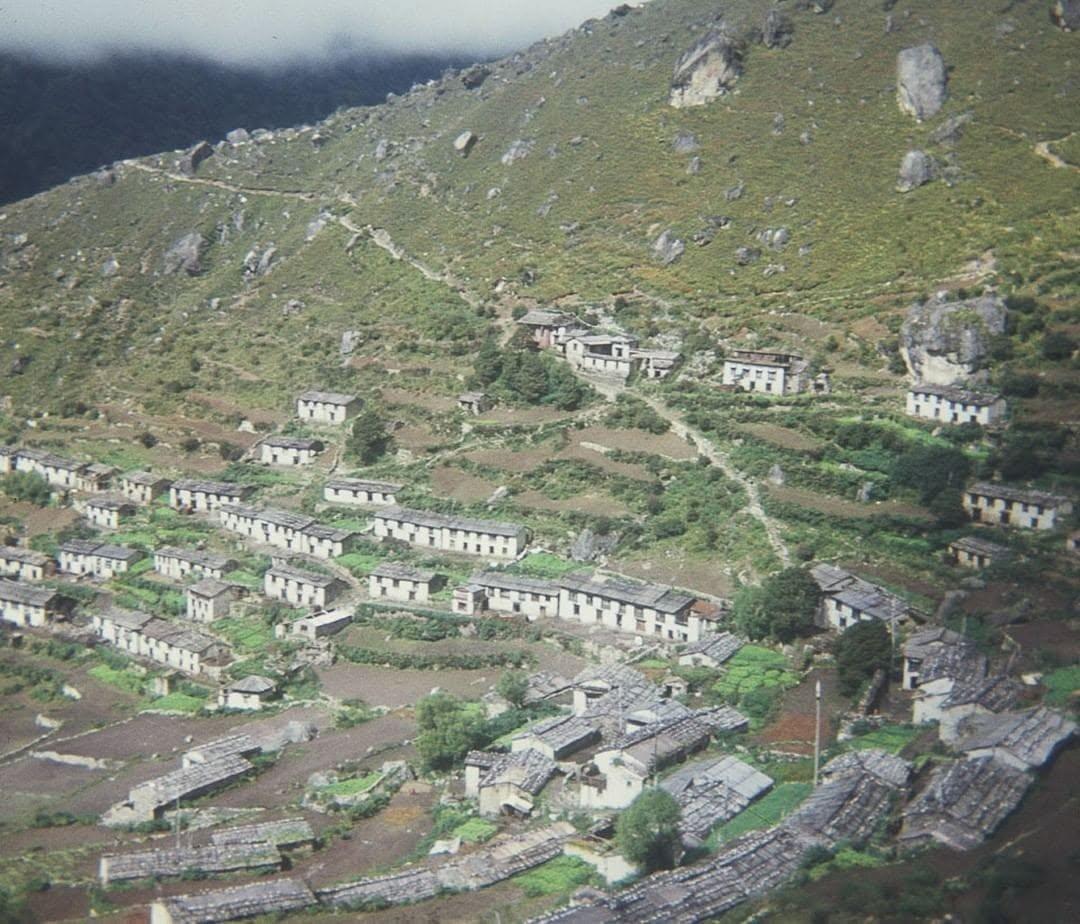
Long before tourism arrived, Namche Bazaar was an important trading settlement connecting Nepal and Tibet.
Sherpa communities used ancient Himalayan trade routes to exchange goods such as:
Tibetan traders crossed high mountain passes to exchange goods with local Sherpa communities. This tradition helped Namche develop into a prosperous marketplace.
The town’s importance increased dramatically after Nepal opened its mountains to foreign expeditions.
The successful first ascent of Mount Everest in 1953 by:
brought worldwide attention to the Everest region.
As trekking tourism grew, Namche transformed from a traditional trading village into the main tourism hub of Khumbu.
Today, it represents both ancient Sherpa heritage and modern Himalayan adventure tourism.
Namche Bazaar is considered the center of Everest trekking because almost every major route passes through this village.
Popular trekking routes connected with Namche include:
The most famous Himalayan trekking route.
Typical route:
Kathmandu → Lukla → Phakding → Namche Bazaar → Tengboche → Dingboche → Lobuche → Everest Base Camp
Namche is usually the first major overnight stop after entering the higher Himalayan region.
This route takes trekkers through:
Kathmandu → Lukla → Phakding → Namche Bazaar → Dole → Machhermo → Gokyo Lakes → Gokyo Ri
On the return journey, trekkers also stay one more night in Namche Bazaar before heading back to Lukla.
One of Nepal's most challenging trekking adventures. It crosses:
Namche Bazaar provides essential preparation and acclimatization before ascending to higher altitudes on this demanding route.
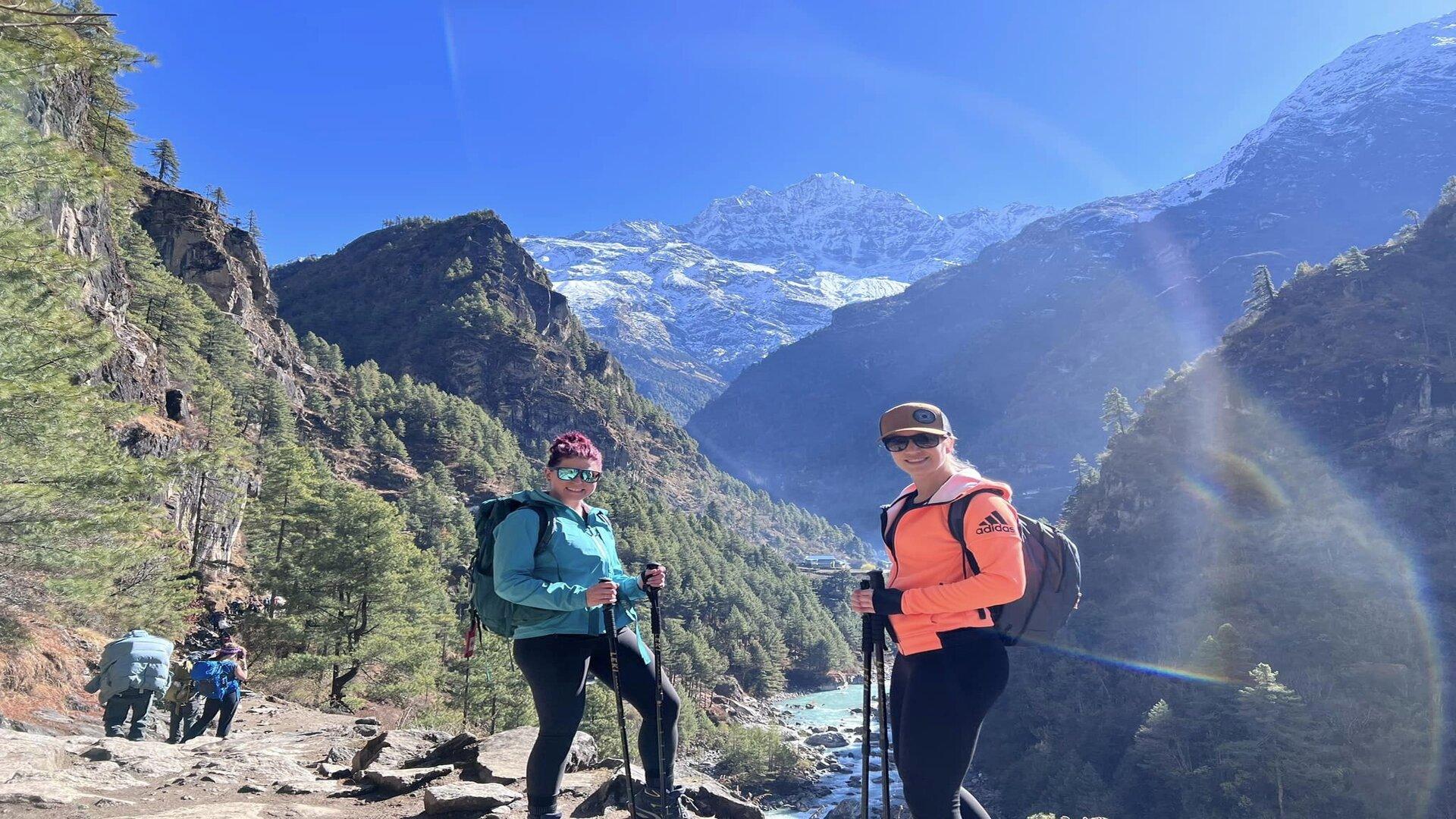
There's no direct road all the way to Namche Bazaar. As Namche village sits deep in the Khumbu mountains, so every visitor arrives on foot, by air, or by helicopter. Here are the three main ways to make the journey, each suited to a different type of traveler.
This is the classic, most popular route and the one most Everest trekkers choose.
Flight duration: Approximately 30–40 minutes
Lukla altitude: 2,860 m (9,383 ft)
From Lukla to Namche Bazaar:
Day 1: Trek from Lukla to Phakding (2,610 m / 8,563 ft). A gentle first day, taking about 3 to 4 hours over roughly 8 km (5 miles), following the Dudh Koshi River past mani walls and colorful prayer flags.
Day 2: Trek from Phakding to Namche Bazaar (3,440 m / 11,286 ft). A noticeably tougher day, taking 6 to 7 hours over about 10 km (6 miles), including a steady climb through Sagarmatha National Park where you'll catch your first glimpse of Mount Everest through the trees.
For travelers short on time, or those looking to add a scenic, luxury element to their trip, a helicopter is a genuine option not just an emergency backup.
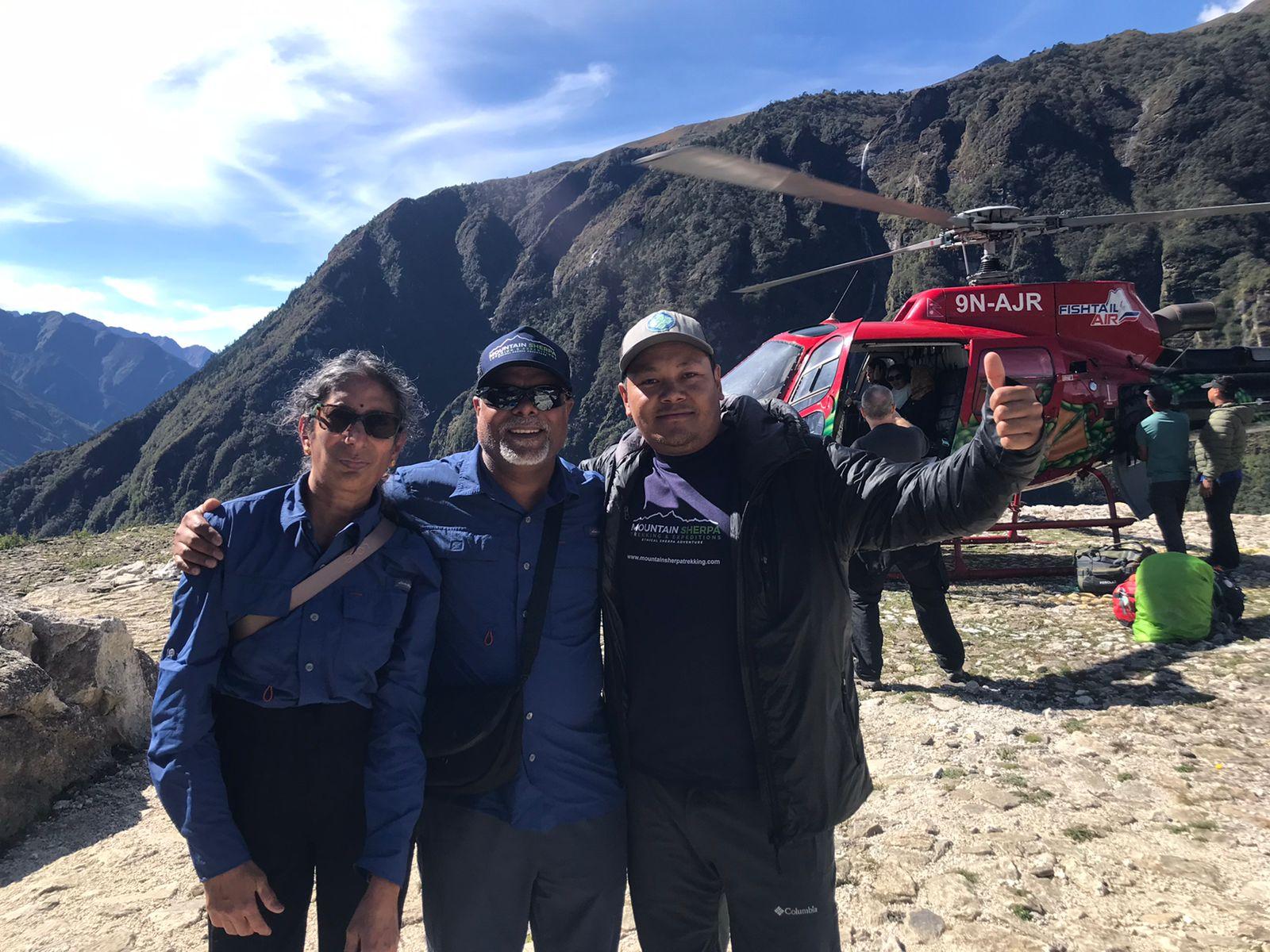
Kathmandu to Namche Bazaar: A direct flight typically takes around 30-40 minutes, landing at the helipad just above the village.
Lukla to Namche: If you're already in Lukla, the hop to Namche takes roughly 10 to 15 minutes.
This route skips the two-day trek entirely and rewards you with sweeping aerial views of the Himalayas along the way. Since flying in skips the gradual altitude gain that walking provides, it's worth planning extra rest time in Namche to acclimatize properly before heading higher.
If you'd rather skip flying altogether whether due to a fear of small aircraft, a preference for cost savings, or wanting a more off-the-beaten-path experience — you can now drive almost all the way to Lukla by road.
Drive: Kathmandu to Phaplu/Salleri takes approximately 9–10 hours by jeep. The road now continues further to Surke, a village just below Lukla, with the full Kathmandu–Surke journey typically taking 16–18 hours (usually broken into two days, with an overnight stop in Phaplu or Salleri).
Trek: From Surke, it's just a 45-minute to 1-hour walk to reach Lukla, or you can continue trekking a few hours further to Phakding, rejoining the classic Everest Base Camp trail without ever needing to fly.
This option is popular with budget-conscious trekkers and those wanting to avoid the risk of Lukla flight cancellations altogether, since jeep travel isn't affected by the mountain weather delays common to small aircraft. The road is rough and mountainous in sections, so it suits travelers who don't mind a long, adventurous drive in exchange for guaranteed overland access and a unique glimpse into rural Solukhumbu life.
| Route | Best For | Time Required |
| Fly to Lukla + Trek | Most trekkers — balanced, classic experience | 2 days to Namche |
| Helicopter | Time-limited or luxury travelers | Under 2 hours |
| Overland via Phaplu/Surke | Budget-conscious, flight-averse, or adventurous travelers | 3 to 4 days to Namche |
Namche Bazaar is considered one of the most important acclimatization points in Nepal.
A good acclimatization day should not mean staying completely inactive. Instead, trekkers usually take short hikes to higher elevations and return to Namche.
Recommended Acclimatization Activities
1. Everest View Hotel Hike
Elevation: Approximately 3,880 meters
This is one of the most popular day hikes from Namche.
Highlights:
2. Syangboche Hill
For travelers seeking fewer crowds, Syangboche Hill provides spectacular views.
It offers:
3. Khumjung and Khunde Villages
These traditional Sherpa villages offer cultural experiences including:
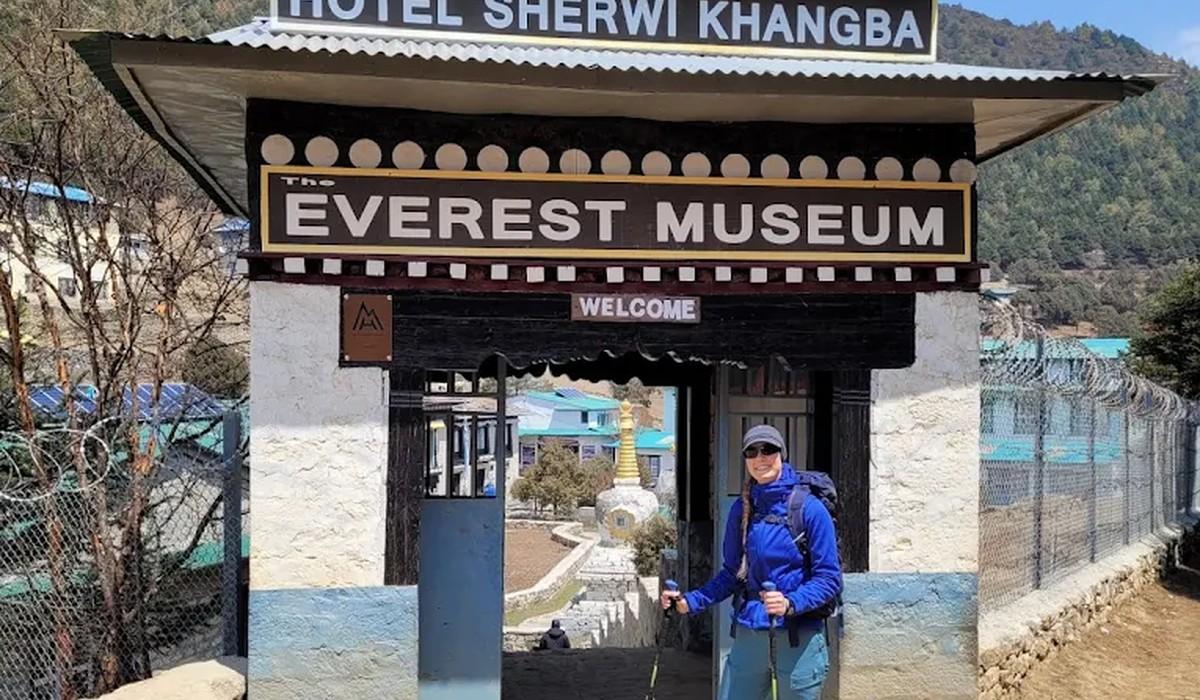
Namche may be small, but it offers many memorable experiences.
1. Visit the Sherpa Culture Museum
The Sherpa Museum provides insight into:
Visitors can learn about the people who have shaped Everest exploration.
2. Explore Sagarmatha National Park Visitor Center
Located above Namche, this center provides information about:
It is also one of the best viewpoints around Namche.
3. Experience the Saturday Market
Namche’s traditional weekly market takes place every Saturday morning.
Historically, traders from Tibet and surrounding villages gathered here to exchange goods.
Visitors can find:
The market remains an important part of local culture.
4. Visit Namche Monastery
The monastery provides a peaceful cultural experience away from the busy trekking routes.
Visitors can observe:
5. Enjoy Cafés and Bakeries
One unique feature of Namche is its surprising number of cafés and bakeries.
Trekkers can enjoy:
Popular cafés provide a comfortable place to rest after trekking.
One of the biggest advantages of Namche Bazaar compared with other Himalayan settlements is the variety of accommodation options available. Because Namche is the commercial center of the Everest region, trekkers can find everything from simple tea houses to comfortable mountain lodges with modern facilities.
After several days of walking from Lukla, a comfortable place to rest becomes extremely valuable. Good accommodation helps trekkers recover, prepare for higher elevations, and enjoy the unique atmosphere of the Khumbu region.
Tea houses are the most common accommodation option throughout the Everest region.
Typical facilities include:
Tea houses provide a chance to interact with local Sherpa families and experience authentic Himalayan hospitality.
They are ideal for:
Namche has several upgraded lodges offering more comfort compared with basic tea houses.
Facilities may include:
These lodges are popular among international trekkers who want more comfort after long trekking days.
Most of our deluxe Everest Base Camp treks and other trekking packages in the Everest region include comfortable mountain lodges in Namche Bazaar as well as other locations. Attached bathrooms and hot showers will be provided at each location where available.
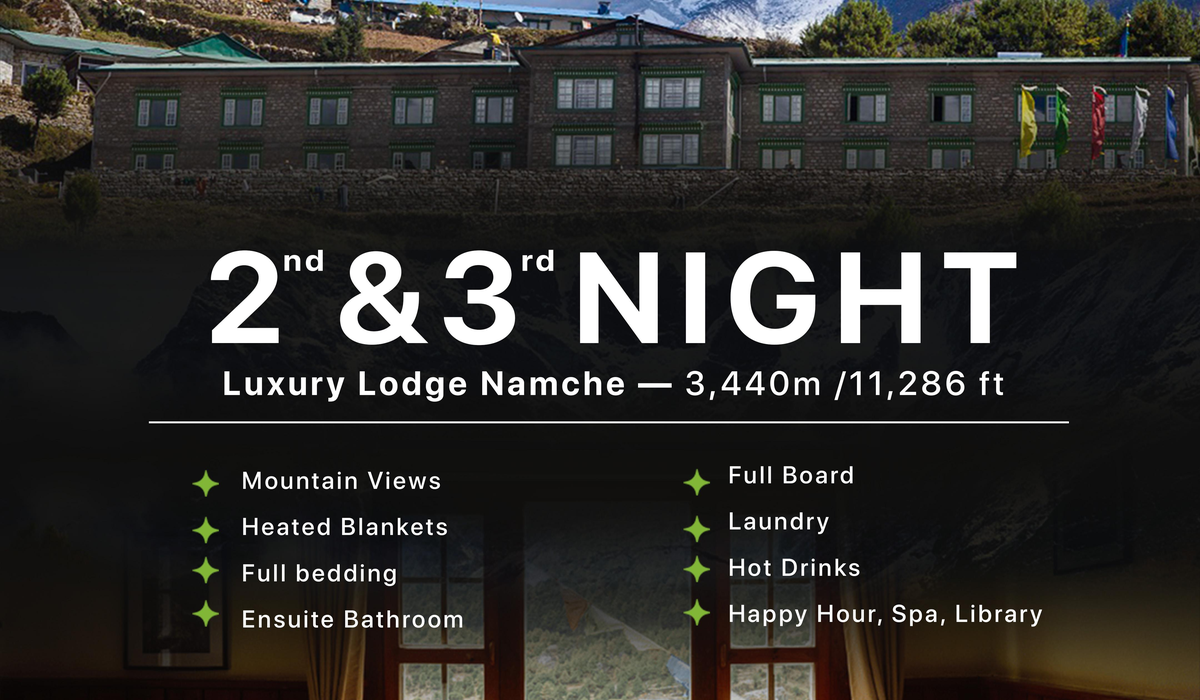
Namche is one of the few places in the Everest region where premium accommodation is available.
Luxury mountain lodges focus on:
These options are suitable for:
For those looking for premium lodges and boutique accommodation, we have the Luxury Everest Base Camp Helicopter Return Trek – 13 Days package, which includes the best premium lodges in Namche and other locations along the route.
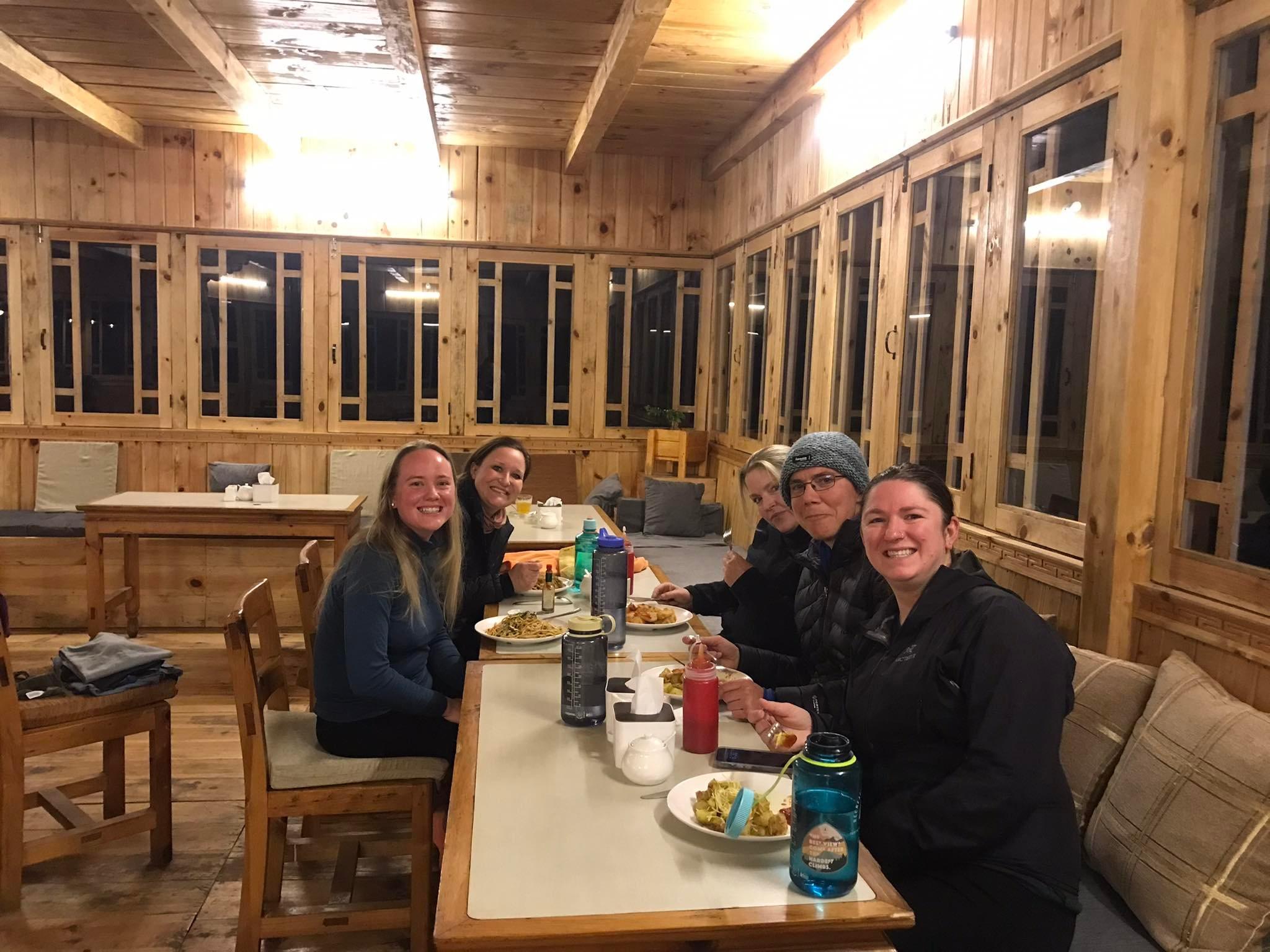
After days of simple trail meals in smaller villages, Namche Bazaar comes as a pleasant surprise. As the largest settlement on the Everest Base Camp route, it offers a genuinely varied food scene everything from hearty traditional Sherpa dishes to comfort food that feels like home.
Dal Bhat, Nepal's classic trekking meal, remains the top choice for good reason. A plate of rice, lentil soup, seasonal vegetables, pickles, and sometimes meat gives trekkers the slow-burning energy needed for long walking days and most teahouses offer free refills, which locals will tell you is the real secret behind Sherpa stamina on the trail.
On colder evenings, a bowl of Sherpa stew a warming mix of potatoes, vegetables, local herbs, and your choice of meat is exactly what tired legs and cold hands are looking for. And for a taste of the region's deep Tibetan roots, don't skip Tibetan bread or tsampa (roasted barley flour), both staples that have fed Sherpa families for generations.
Because Namche welcomes trekkers from every corner of the world, its menus have adapted accordingly. You'll find pizza, pasta, pancakes, sandwiches, fried rice, noodles, and freshly baked cakes alongside the traditional fare a small but welcome comfort before you head into higher, simpler terrain.
One of Namche's most charming surprises is its café scene. Many trekkers use their acclimatization day to slow down at a mountain café sipping fresh coffee with a view of snow-capped peaks, sharing a slice of homemade cake, and swapping trail stories with fellow travelers from around the world. It's a small ritual that turns a rest day into one of the trip's most memorable moments, and a reminder that even this high in the Himalayas, there's room for a little indulgence.
Namche's weather shifts dramatically across the year, and knowing what to expect can make or break your trekking experience.
Spring (March–May) is one of the most rewarding times to visit. The weather is stable, skies are clear, and the hillsides bloom with wild rhododendrons a stunning backdrop for what is already one of the world's great treks.
Autumn (September–November) is widely considered the best season overall. Following the monsoon, the air turns crisp and clean, visibility stretches for miles, and mountain views reach their absolute best which is exactly why this is also the busiest time on the trail.
Winter (December–February) rewards those willing to brave the cold. Trails grow quiet, snow dusts the peaks, and the mountain scenery takes on a stark, dramatic beauty just be sure to pack serious cold-weather gear.
Monsoon (June–August) is the toughest season to trek in. Frequent rain, clouded skies, slippery trails, and a higher risk of flight delays make this the least popular window though the valleys turn a lush, vivid green that has its own quiet appeal for the right kind of traveler.
Facilities and Services in Namche Bazaar
Given how remote it is, Namche's infrastructure is genuinely impressive though it pays to come prepared rather than expect city-level convenience.
Most lodges and cafés offer Wi-Fi, but connection speed varies, fees are common, and weather can disrupt the signal so it's wise not to rely on it entirely. The same goes for electricity and charging: most teahouses provide outlets, but bringing a power bank, spare batteries, and your own charging cables will save you from any unwelcome surprises.
You'll also find ATMs and banking services in Namche, but machines occasionally go offline and cash is still king in most shops and lodges. The safest move is to withdraw enough Nepalese rupees in Kathmandu before you set off.
For medical needs, Namche has basic facilities capable of handling minor injuries, common illnesses, and altitude-related concerns though anything serious will still require evacuation. Always carry your own personal medication, a basic first-aid kit, and any altitude sickness medication recommended by your doctor.
If you've forgotten a piece of gear, Namche is also your last real chance to buy or replace trekking equipment gloves, hats, jackets, poles, and snacks are all available, though expect to pay more than you would in Kathmandu.
Namche's acclimatization days are the perfect excuse to explore the beautiful villages and viewpoints surrounding it.
Khumjung Village is one of the most storied Sherpa settlements in the region home to the Khumjung Monastery (said to house a yeti scalp), the historic Hillary School, and a genuine window into traditional Himalayan life.
Just next door, Khunde Village is known for the Hillary Hospital and sweeping mountain views. Together, Khumjung and Khunde make for one of the best cultural half-day hikes on the entire route.
For something quieter, Thame Village offers a peaceful alternative to the busier EBC trail an ancient monastery, dramatic valley scenery, and deep mountaineering history make it a favorite among trekkers looking to slow down.
And for the best views around, head up to Syangboche, perched above Namche. It's a favorite spot for photography, sunrise and sunset views, and simply catching your breath literally and figuratively before continuing higher.
A few simple habits go a long way toward a safe, enjoyable trek through Namche and beyond:
Tourism is the lifeblood of the Sherpa economy here, but it comes with a responsibility to protect the fragile Himalayan environment that makes this region so special. Small choices carrying a reusable water bottle instead of buying plastic, choosing locally run lodges, respecting sacred sites, and supporting community projects add up. Every trekker who passes through plays a small part in keeping Namche, and the wider Khumbu region, thriving for generations to come.
Without question. Namche Bazaar isn't just a resting point between Lukla and Everest Base Camp — it's a destination in its own right. Between the Sherpa culture, the mountaineering history, the food, the cafés, and the jaw-dropping scenery, many trekkers look back and realize Namche gave them some of the most memorable moments of their entire Everest journey.
Namche Bazaar is famous as the gateway to Mount Everest and the cultural, trading, and trekking hub of the Khumbu region known for its Sherpa heritage, mountain views, traditional Saturday market, and role as the main acclimatization stop for Everest-bound trekkers.
Namche sits at approximately 3,440 meters (11,286 feet), making it a critical acclimatization point before continuing toward Tengboche, Dingboche, Lobuche, Everest Base Camp, and Kala Patthar.
Most itineraries include two nights: one to arrive and settle in, and a second dedicated to an acclimatization hike to spots like the Everest View Hotel, Syangboche, Khumjung, or Khunde. Some trekkers choose to add an extra night for deeper cultural immersion and better altitude adjustment.
Yes, though not directly from the village center, since surrounding peaks partially block the view. A short uphill walk to the Everest View Hotel, Syangboche Hill, or the Sagarmatha National Park Visitor Center rewards you with a clear look at Everest.
It requires trekking, but it's achievable for anyone with reasonable fitness. The standard route is Kathmandu → Lukla flight → Phakding → Namche Bazaar, with the steepest challenge being the final climb up from the Dudh Koshi River.
Yes, most lodges and cafés offer both, though speeds can be slow, charging usually costs extra, and reliability varies with the weather a power bank is a smart backup.
Yes, but they're not fully reliable, so it's best to withdraw enough Nepalese rupees in Kathmandu before starting your trek.
Trekking essentials like jackets, gloves, hats, socks, poles, and batteries are all available, along with local handicrafts and souvenirs — though prices run higher than in Kathmandu.
Compared to Kathmandu, yes transporting goods into the mountains adds cost, so food, hot showers, charging, and Wi-Fi all carry a premium. Still, given the remoteness, most trekkers find it excellent value for what's on offer.
Spring (March–May) and autumn (September–November) offer the best combination of stable weather, clear mountain views, and comfortable trekking conditions. Winter and monsoon are possible but require extra preparation.