-
Sumba Sherpa (Co-Founder & CEO)
+977-9849643731
Since 1998 15,000+ Happy Guests Sherpa Owned & Operated Company
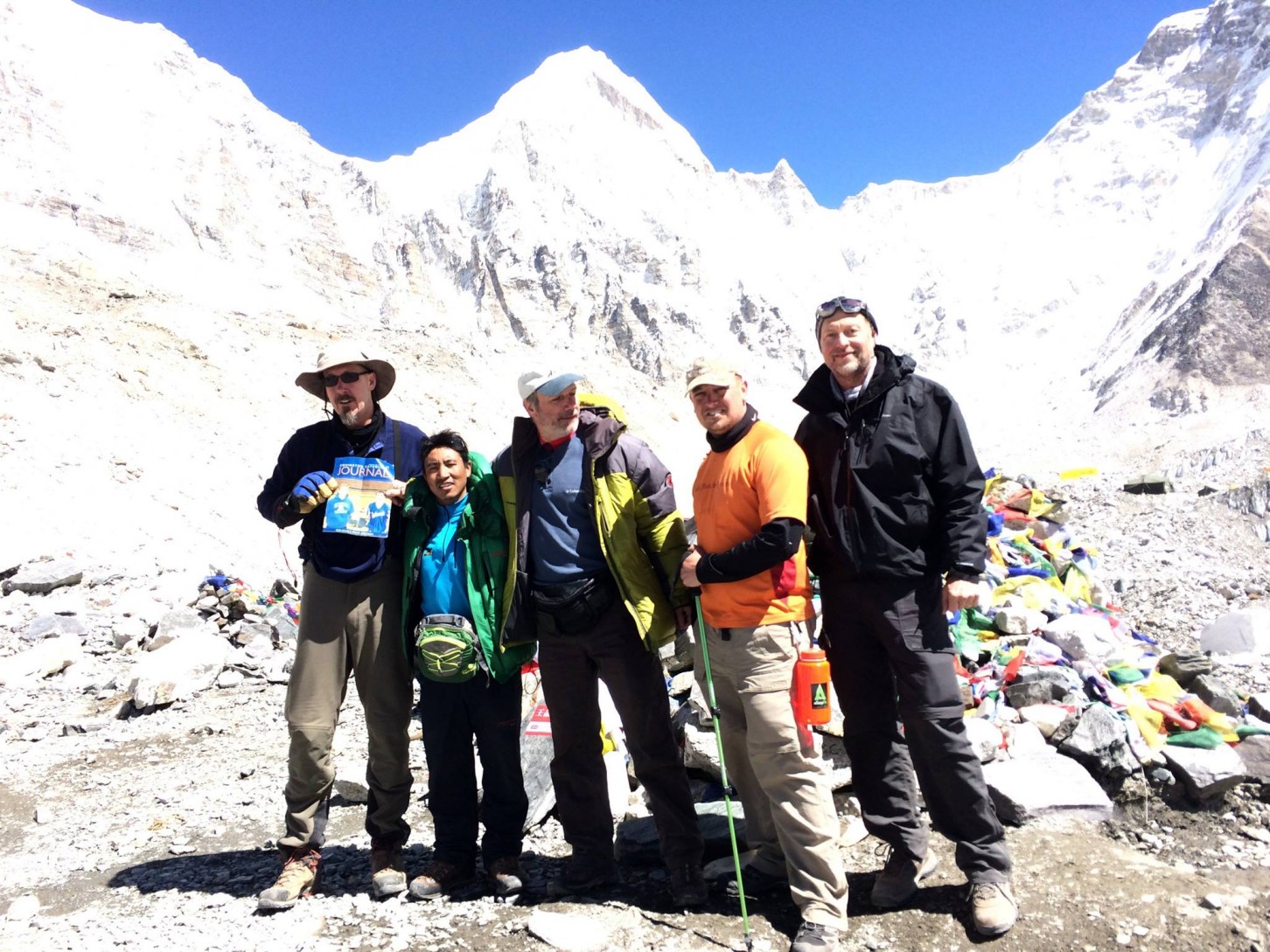
Planning an Everest Base Camp Trek is exciting, but knowing what to expect before you arrive in Nepal can make the experience much easier. The trek takes you through the Khumbu region, Sherpa villages, Sagarmatha National Park, Namche Bazaar, Tengboche, Dingboche, Lobuche and finally to Everest Base Camp at 5,364 meters (17,598 feet).
The trek is achievable for many reasonably fit travelers, but the high altitude, changing mountain weather, long walking days and remote trail conditions require proper preparation.
Before you book your trip, here are 15 important things to know before trekking to Everest Base Camp.
Before trekking to Everest Base Camp, you should understand the cost, itinerary, altitude, difficulty, best season, training requirements, packing, accommodation, food, permits, insurance, guides, communication and flight conditions.
The most important point is that EBC is a high-altitude trek, not simply a long-distance hike. A well-planned itinerary with proper acclimatization is essential.
The first thing to understand is the altitude.
Everest Base Camp sits at approximately 5,364 meters (17,598 feet) above sea level. The trail gradually climbs from Lukla through Phakding, Namche Bazaar, Tengboche, Dingboche and Lobuche before reaching Gorakshep and Everest Base Camp.
The altitude is one of the main reasons the trek requires careful pacing and acclimatization.
You should not expect to walk quickly at high elevations. Your body needs time to adjust as you gain altitude.
A good itinerary therefore includes acclimatization days rather than trying to reach Everest Base Camp as quickly as possible.
For a better understanding of the physical demands, see the Everest Base Camp Trek Difficulty guide.
A common mistake is choosing an itinerary simply because it is shorter.
The Everest Base Camp route involves several days of walking at increasing altitude. Rushing the journey can make the trek more difficult and can increase the risk of altitude-related problems.
The classic Mountain Sherpa itinerary is designed as a longer journey, giving trekkers time for acclimatization and including a contingency day for possible Lukla flight delays.
For a detailed day-by-day route, see the Everest Base Camp Trek itinerary.
When comparing packages, don't look only at the number of trekking days. Check:
The cost of an Everest Base Camp Trek varies depending on the itinerary, accommodation, transportation and level of service.
A standard trek and a luxury trek may follow the same general route but provide very different accommodation and transportation experiences.
Mountain Sherpa currently offers different EBC options, including the classic trek and luxury packages. For example, the Luxury Everest Base Camp Trek provides a higher level of accommodation and comfort.
When comparing prices, check exactly what is included rather than choosing a trek based only on the lowest advertised price.
Your budget may need to cover:
The season can significantly affect your trekking experience.
Spring (March–May) and autumn (September–November) are the main trekking seasons. These months generally offer better trekking conditions and mountain visibility.
The Nepal Tourism Board also identifies October–November and March–May as favorable periods for the Everest region.
Spring brings warmer conditions, clear mountain views and blooming rhododendrons at lower elevations.
Autumn generally offers clear skies and excellent Himalayan visibility after the monsoon.
Winter can bring freezing temperatures and snowfall at higher elevations.
June to September brings more rain in Nepal, although conditions vary by altitude and location.
For a detailed seasonal comparison, see the Best Time to Trek Everest Base Camp guide.
Everest Base Camp is not technically a mountaineering expedition, but the trek is physically demanding.
Most trekking days involve several hours of walking, often on uneven mountain trails with frequent uphill and downhill sections.
You should prepare for:
You don't need to become an elite athlete before the trek. However, building your cardiovascular fitness and leg strength before arriving in Nepal can make the experience much more comfortable.
Walking, hiking, stair climbing, cycling and strength training are useful ways to prepare.
Altitude is one of the most important factors on the EBC trek.
Altitude sickness can affect trekkers regardless of their age or fitness level. Being physically fit does not guarantee that you will avoid altitude-related problems.
Common symptoms can include:
The best approach is to ascend gradually, follow your guide's advice, stay hydrated and communicate any unusual symptoms.
Do not ignore serious symptoms simply because you want to continue toward Base Camp.
You don't need to carry your entire wardrobe to Everest Base Camp, but your clothing needs to work across different temperatures and conditions.
A practical EBC packing list normally includes:
Layering is particularly useful because temperatures can change considerably between lower villages and higher elevations.
Accommodation on the Everest Base Camp route is mainly provided by locally operated tea houses and mountain lodges.
Facilities vary from village to village.
In places such as Namche Bazaar, you can find a wider range of accommodation and services. At higher elevations, options become more limited and basic.
You should expect:
If comfort is an important part of your trip, compare the accommodation standards before booking.
You don't need to carry all your food from Kathmandu.
Tea houses and lodges along the EBC route serve a variety of meals, although the selection becomes more limited at higher elevations.
Common options include:
Dal bhat is particularly popular because it provides a filling combination of rice, lentils and vegetables.
At higher elevations, eating enough and staying hydrated becomes increasingly important.
Permits and trekking documentation are an important part of planning an Everest Base Camp Trek.
The route passes through Sagarmatha National Park, which requires an entry permit. The Nepal Tourism Board currently lists the foreigner entry fee for Sagarmatha National Park at NPR 3,000 per person.
TIMS requirements also apply to trekkers, and current Nepal Tourism Board information states that TIMS is obtained through authorized channels.
Because trekking regulations and fees can change, check the latest requirements before your departure.
If you book through a registered trekking company, the company can assist with the required trekking documentation.
Travel insurance should be part of your EBC preparation.
Choose a policy that specifically covers high-altitude trekking and emergency evacuation at the maximum altitude relevant to your itinerary.
Before purchasing insurance, check the policy carefully for:
Do not assume that a standard travel insurance policy automatically covers high-altitude trekking.
A knowledgeable local guide can help with much more than navigation.
Your guide can assist with:
The Nepal Tourism Board states that trekkers in non-restricted trekking areas are required to obtain TIMS and the services of a licensed trekking guide through authorized trekking agencies.
Choosing a local trekking company also gives you access to people who understand the trail, weather and local communities.
For travelers comparing operators, our guide on how to choose a Best Everest Base Camp trekking company can help you understand what to check before booking.
For the classic EBC route, Lukla is the main gateway to the Everest region.
The flight from Kathmandu to Lukla takes around 30 minutes under normal conditions. The Nepal Tourism Board also identifies Lukla as the main air access point for the Everest region.
However, mountain weather can change quickly.
Flights may sometimes be delayed or cancelled because of:
This is one reason it is useful to have some flexibility in your itinerary.
A contingency day can be especially valuable when planning international flights after the trek.
You can usually find Wi-Fi and charging facilities at many tea houses and lodges along the Everest route, but connectivity becomes less reliable as you travel farther into the mountains.
Internet speed and availability can vary depending on location and weather.
Electricity is also available in many settlements, but charging may cost extra or may be limited.
A power bank is therefore a useful item to carry. More importantly, don't plan your entire trek around having continuous internet access. The Everest region is still a remote mountain environment.
The Everest Base Camp Trek is not only a mountain journey. It is also an opportunity to experience Sherpa culture and communities in the Khumbu.
You will pass through villages, monasteries, prayer walls, suspension bridges and important cultural sites.
Simple actions make a difference:
The Nepal Tourism Board describes Sagarmatha National Park as a destination for trekking, mountaineering and experiencing Sherpa culture, with accommodation ranging from hotels and lodges to tea houses and camping.
The most important thing is that Everest Base Camp is a high-altitude trek that requires proper acclimatization and preparation.
You don't need previous mountaineering experience, but you should be prepared for long walking days, changing weather, basic mountain facilities and altitude above 5,000 meters.
Choosing an itinerary that gives your body enough time to adapt is just as important as buying the right trekking gear.
Before leaving for Nepal, make sure you have:
Yes, beginners can complete the Everest Base Camp Trek if they are reasonably fit and properly prepared.
Previous high-altitude trekking experience is helpful but not essential. The bigger challenge is adapting to altitude and walking consistently for multiple days.
If you are new to Himalayan trekking, spend time building your endurance before arriving in Nepal and choose an itinerary with appropriate acclimatization.
Mountain Sherpa Trekking is a locally operated trekking company specializing in Himalayan adventures.
The team provides experienced Sherpa guides, porters, planned itineraries and support throughout the trek.
Different EBC packages are available depending on your preferred combination of trek duration, accommodation, transportation and comfort.
If you are comparing options, you can also explore the Luxury Everest Base Camp Trek vs Standard EBC Trek comparison before deciding which type of experience fits your travel plans.
The Everest Base Camp Trek is a challenging but achievable Himalayan journey when you prepare properly.
Understanding the altitude, choosing the right season, training beforehand, packing appropriately, allowing enough time for acclimatization and having suitable insurance can make a significant difference.
Instead of focusing only on reaching Everest Base Camp as quickly as possible, plan the entire journey, from Kathmandu and Lukla to the Khumbu villages, Base Camp and your return to Kathmandu.
With the right preparation and a well-planned itinerary, you can focus less on unexpected problems and more on experiencing the landscapes, mountain communities and spectacular views of the Everest region.
Everest Base Camp is approximately 5,364 meters (17,598 feet) above sea level.
The trek is considered a challenging high-altitude trek due to the elevation, long walking days and steep sections. See the Everest Base Camp Trek Difficulty guide for more details.
Yes. Beginners can complete the trek with proper fitness, preparation and a suitable acclimatization itinerary.
A classic Everest Base Camp Trek usually takes around 16–17 days from Kathmandu to Kathmandu, depending on the itinerary.
March–May and September–November are the main trekking seasons, offering generally favorable trekking conditions and mountain views.
Yes. Current trekking regulations require trekkers in non-restricted areas to obtain TIMS and use a licensed trekking guide through an authorized trekking agency.
The trek requires the applicable Sagarmatha National Park entry permit and TIMS documentation. Requirements and fees can change, so check the latest regulations before departure.
Yes. Altitude sickness is possible at higher elevations, so gradual acclimatization, hydration and proper pacing are important.
Tea houses serve common trekking meals such as dal bhat, noodles, pasta, momos, soup, rice, potatoes and eggs.
Trekkers normally stay in tea houses and mountain lodges along the route.
Wi-Fi is available in many places along the route, but the connection can become slower and less reliable at higher elevations.
Lukla flights are weather-dependent, so delays and cancellations can occur. Keeping some flexibility in your itinerary is recommended.
Yes. Choose insurance that covers high-altitude trekking, medical treatment and emergency evacuation at the altitude required for your trek.
Essential items include warm layers, trekking boots, gloves, sunglasses, sunscreen, a sleeping bag, trekking poles, a headlamp and personal medication.
Yes. First-time Himalayan trekkers can complete the journey with proper training, preparation and a well-planned itinerary.